
Last updated November 15, 2026
 Wrought iron
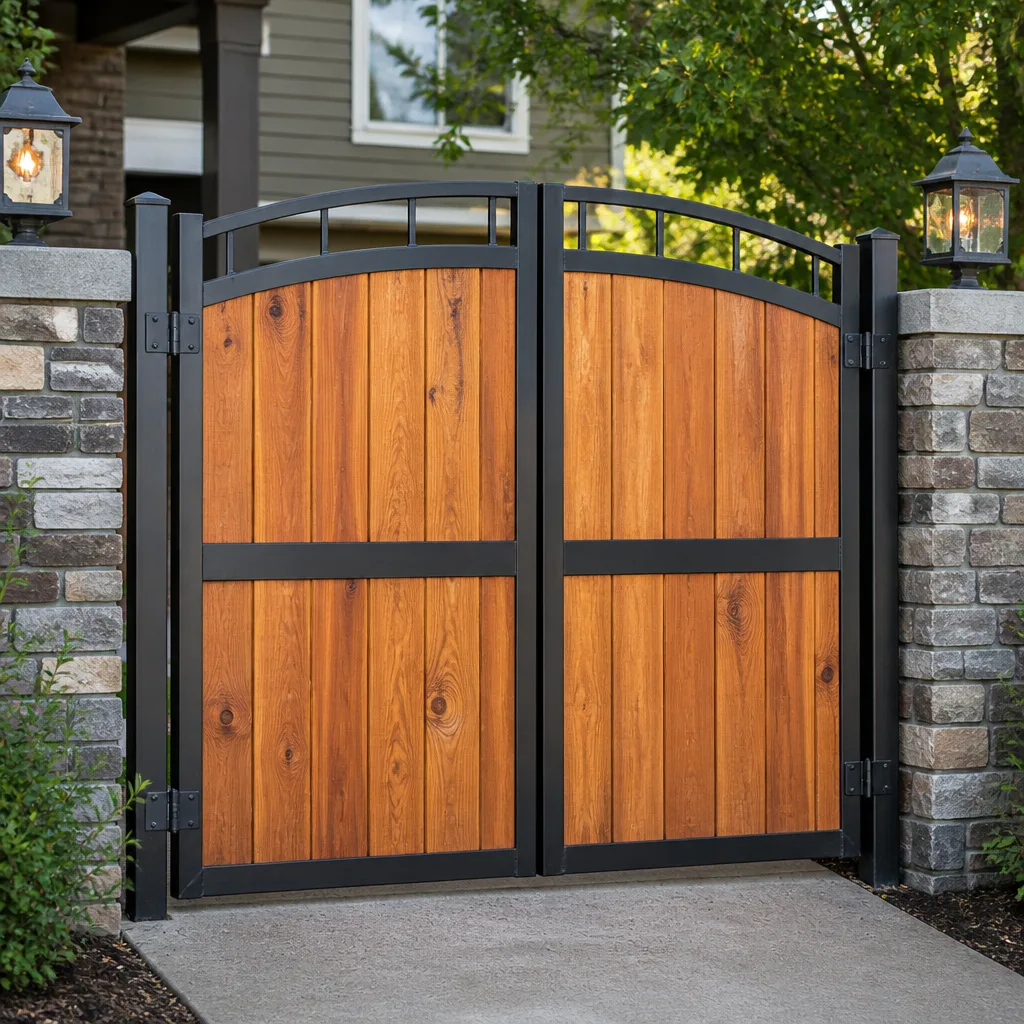 Wood & steel frame
 Farm & ranch
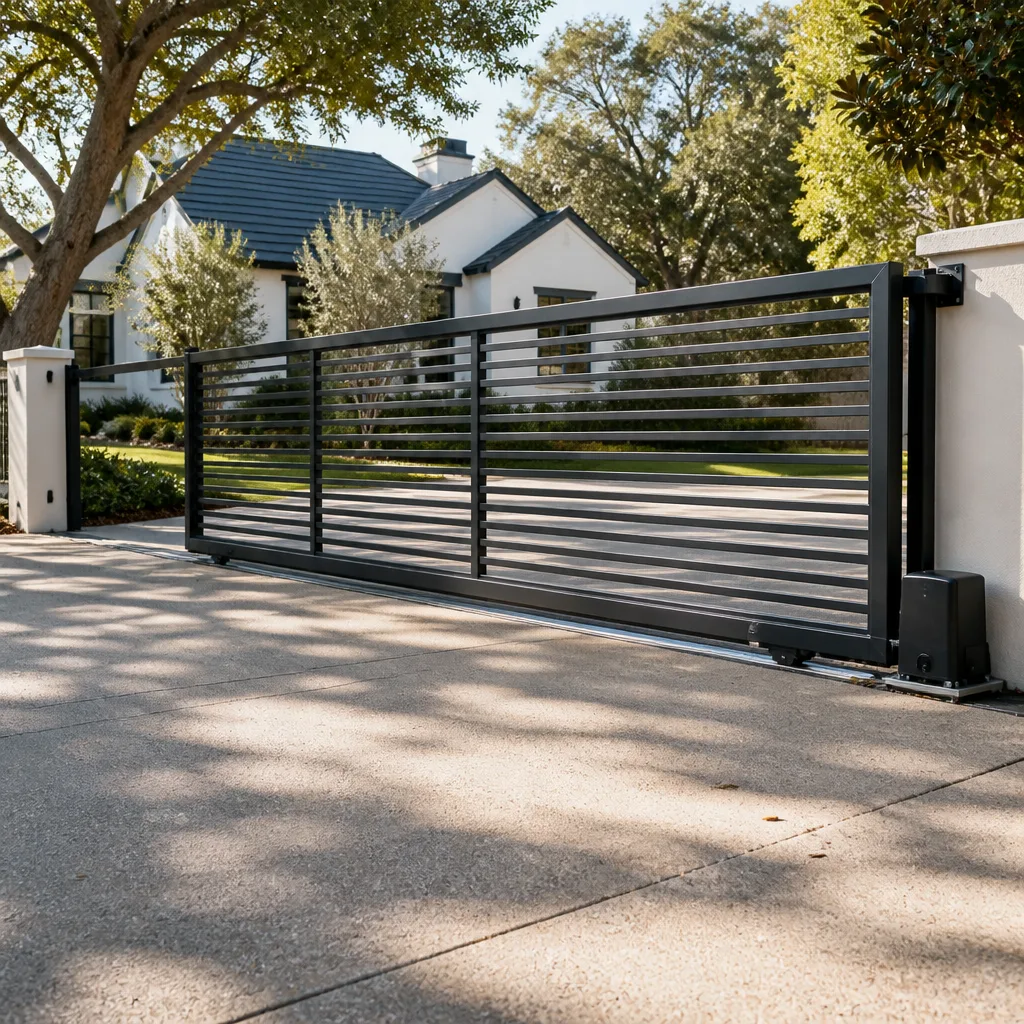 Sliding driveway gates
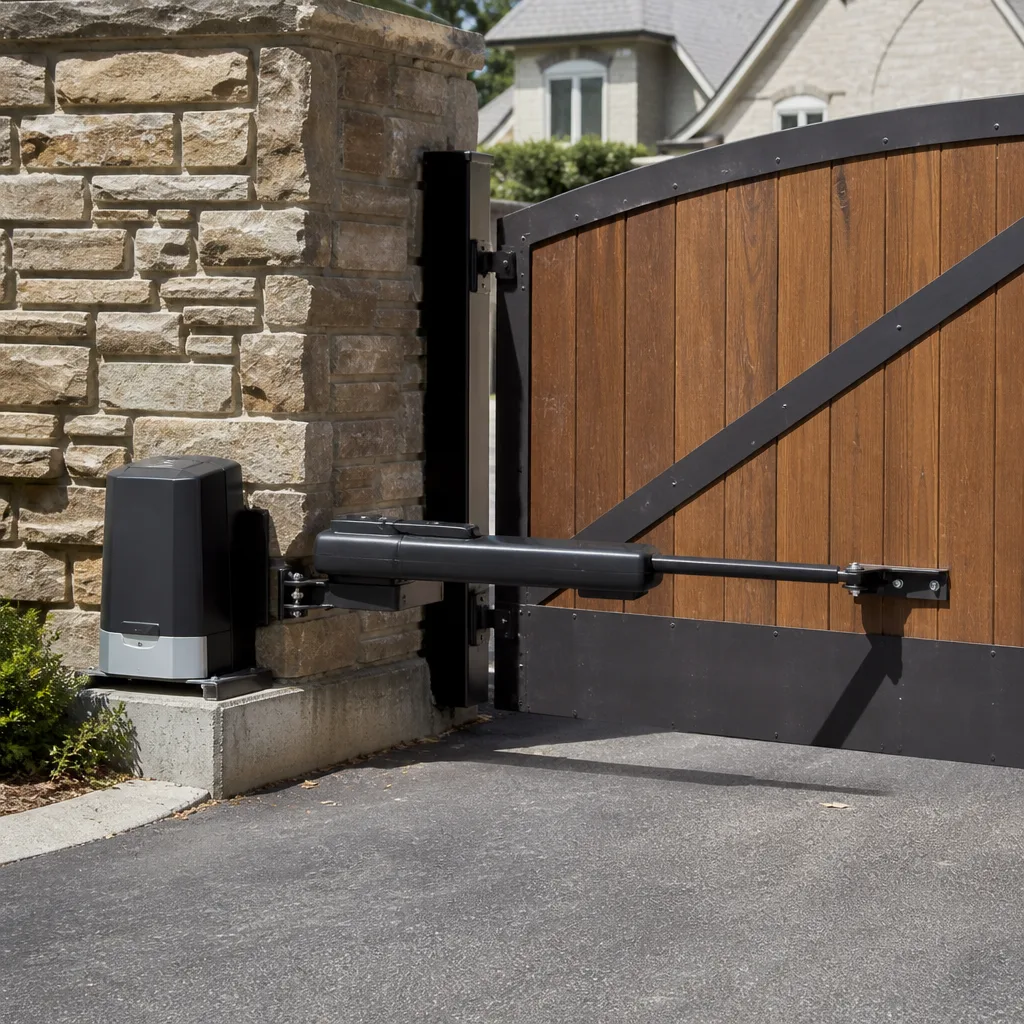 LiftMaster operators
Free on-site gate assessment - hinges, posts, and your LiftMaster or Nice gate operator checked before anything is quoted
The assessment is free and the quote is the invoice.
Get your free estimateGate Repair Maintenance Schedule: What to Do and When
The task that prevents most winter gate failures in Syracuse needs to happen in October. By November, it’s already too late to matter. That’s the part most maintenance advice gets wrong: it treats gate care as a single yearly checklist, something you knock out “once a year” and forget. Gates don’t fail that way. They fail because a specific part was asked to do a specific job in a specific season and nobody prepared it. The pivot that stiffens in October becomes the hinge that seizes in February. The battery you tested in summer dies in the first hard freeze. This guide maps every task to the mechanical reason it has to happen when it does, with a Syracuse calendar built for Syracuse winters.
Quick Answer
A gate maintenance schedule should be split across the year, not bundled into one annual visit: lubricate hinges and pivot points in October before the first freeze, inspect hinge bolts and weld points in March after the ground thaws, and check UV, rust, and electronics in July. Electric gates also need battery backup testing four times a year because cold weather can cut battery capacity by up to 40%.
Styles & brands we work with
- Wrought iron
- Wood & steel frame
- Farm & ranch
- Sliding driveway gates
- LiftMaster operators
Table of Contents
- Why a Calendar Beats a Checklist
- October: The Pre-Winter Lubrication Window
- The Right Lubricant for the Right Component
- March: The Post-Freeze Hinge Inspection
- The Hinge Bolt Torque Check Most Guides Skip
- July: UV, Rust, and Weld Point Inspection
- Battery Backup Testing on Electric Gates
- When to Call a Professional
- Frequently Asked Questions
Why a Calendar Beats a Checklist
A gate is a machine that lives outdoors, and outdoors in Syracuse means four very different operating environments a year. The metal expands in July heat and contracts in January cold. Ground movement from freeze-thaw cycles shifts post footings, which throws a gate out of alignment without anyone touching it. Road salt spray thrown up by plows works into pivot points and hinge pins from December through March. A checklist that says “grease the hinges” once a year ignores all of that. A calendar that says “grease the hinges in October, before the freeze, because that’s the last window where the grease can penetrate before cold thickens it” actually prevents the failure.
In our experience the gates that survive a Syracuse winter without a service call are the ones where someone did the right task at the right time, not the ones where someone did everything but did it all in June. The difference is mechanical, not magical. Grease applied in October has a full cold season to protect a pivot. Grease applied in June has spent four months collecting grit and thinning out by the time the first hard freeze arrives. Same task, same product, completely different result. That’s why this schedule is built around timing first and tasks second.
The calendar below covers manual swing and slide gates as well as automated systems. If your gate is powered, the electronics add their own seasonal layer, which we cover in the battery and electronics sections. For a refresher on what falls under general gate repair versus the electrical side, it helps to know which category a problem belongs to before you start diagnosing.
October: The Pre-Winter Lubrication Window
October is the single most important month on this calendar. The goal is simple: every moving metal-to-metal contact point on the gate should be freshly lubricated before the first sustained freeze. Once temperatures drop below freezing and stay there, grease thickens, water that has worked into a hinge pin freezes and expands, and a pivot that was merely stiff in September locks solid by January. The October window is the last chance to displace that moisture and leave a protective film in place.
Here’s the order we work through on a pre-winter service:
- Clean every pivot and hinge pin first. Lubricant applied over grit and old grease just traps the grit. Wipe down and clear the contact points before anything goes on.
- Lubricate hinge pins and pivot points. These are the highest-load moving parts on a swing gate and the first to seize in cold.
- Lubricate the latch and striker. A latch that freezes shut turns a working gate into a locked gate.
- Service the operator’s drive mechanism. Chain, screw, or arm, each has its own requirements covered below.
- Check the battery backup. Cold kills capacity, so the battery should go into winter at full health.
- Clear drainage. Water pooling at the base of a post is water that will freeze and heave the footing. Make sure it drains away from the gate line.
For slide gates, add the track or guide rollers to that list. Debris packed into a track in October becomes a frozen block in December, and a gate that can’t roll freely puts strain on the operator motor every time it cycles. If your gate is electric, this is also the moment to confirm the operator is running cleanly, because a motor fighting a stiff gate all winter is a motor that fails in February. Our electric gate repair work picks up a lot of exactly that failure in the coldest weeks of the year.
The Right Lubricant for the Right Component
Not all lubricants are interchangeable, and the wrong one does real harm. The most common mistake is reaching for WD-40 on gate hinges. WD-40 is a light penetrating oil and water displacer, not a long-term lubricant. It evaporates off the surface within days and leaves hinges drier than before, which is exactly the opposite of what you want going into a Syracuse winter. White lithium grease is the correct choice for hinges and pivot points because it’s heavier, stays put, and holds up under cold and moisture far better than a spray oil.
Components differ, so lubricants should too:
- Hinges and pivot points: white lithium grease. Heavy enough to stay in the pin, cold-tolerant, and it doesn’t wash away with the first rain.
- Chain-drive operators: chain-specific lubricant or a light grease designed for roller chain. Never use a heavy grease that will cake with grit; a chain needs its links to flex freely.
- Screw-drive operators: a lighter, non-tacky lubricant. Screw drives are sensitive to buildup, and heavy grease on a screw drive attracts debris that accelerates wear.
- Latch and striker: white lithium grease or a dry-film lubricant, depending on how exposed the mechanism is to grit.
- Guide rollers and tracks: a dry lubricant for the track surface so it doesn’t become a magnet for debris.
The reason this matters going into winter is that a chain with the wrong grease stiffens in cold, and a stiff chain loads the motor. A screw drive packed with heavy grease binds. Neither failure is dramatic; they show up gradually as a gate that hesitates, strains, or trips its safety reverse more often. Matching the lubricant to the component is a small habit that prevents a whole category of winter problems on a Syracuse gate.
March: The Post-Freeze Hinge Inspection
March is the inspection counterpart to October’s lubrication. Everything you protected in the fall has now been through a full freeze-thaw cycle, and freeze-thaw is what moves metal and ground. The thaw reveals what winter did: hinge pins that worked loose, posts that shifted slightly in the frost, and hinge plates that show fresh stress at the welds. The goal in March is to catch these while they’re still small adjustments rather than full failures. A hinge that’s a quarter-inch out of alignment in March is a hinge that chews through its pin by summer.
Here’s what a March walk-through covers:
- Check the swing arc. Open the gate by hand and feel for binding, grinding, or a change in how it swings. Any difference from the fall is a signal.
- Inspect hinge pins and plates. Look for pins working out of their holes, rust staining at the plate, and any wobble when you push the gate.
- Inspect welds and frame joints. The freeze-thaw cycle stresses the whole structure. Look closely at every weld point and frame joint for hairline cracks, fresh rust staining, or paint that has cracked in a line.
- Check post footings. Frost heave can lift or tilt a post. A post that’s out of plumb puts load on the whole gate.
- Re-lubricate everything cleaned out by the winter. Salt and meltwater strip lubricant. What you applied in October needs refreshing now.
- Test the electronics and safety sensors. After four months of cold and wet, test the safety reverse and check that sensors are clean and aligned.
This is also the month to look at a gate someone stopped using over the winter. If a gate has been sitting through January and February, its hinges are dry and its alignment may have shifted. A manual gate that feels stiff in March is a good candidate for the full hinge inspection rather than just a fresh coat of grease. A specialist can tell you quickly whether you’re looking at a lubrication issue or something structural, and on a Syracuse Gate Repair visit we check both because they show up together after a hard winter.
The Hinge Bolt Torque Check Most Guides Skip
Hinge bolts loosen. It’s that simple, and it’s the check almost every maintenance guide leaves out. Vibration from every open and close, combined with the daily thermal expansion and contraction of a metal gate, works hinge bolts loose over time. A loose hinge bolt doesn’t announce itself as an obvious problem. It announces itself as a sound: a faint rattle or knock on the gate’s first movement, a slight clicking as the hinge plate shifts, often only noticeable on a cold morning or after a hard day of wind. By the time it looks like anything, the bolt has backed out far enough to allow play, and play accelerates wear on everything around it.
A proper torque check means going around every hinge and gate post bolt with a torque wrench and confirming each one is at spec. This is the step where a generalist contractor usually gives you a shrug and a hand tighten; a gate specialist has the specs and the right tool. The check should happen in March, after frost movement has had its say, and again on any gate that has started to sound different. If you hear the rattle, don’t wait for March.
While you’re at each hinge, check the weld point on the hinge plate. A bolt that’s been loose for a while has been working the weld behind it, and that weld is where a cosmetic rattle turns into a structural crack. Catching a loosening bolt is a two-minute fix; catching a cracked weld is a much bigger repair. This is the pair of checks, torque and weld inspection, that separates a real gate maintenance schedule from a grease-the-hinges list. On commercial swing gates especially, torque checks matter because a heavy gate falling off a loosened hinge is a serious hazard.
July: UV, Rust, and Weld Point Inspection
Summer is when the damage you can see becomes visible. High summer in Syracuse puts strong UV on paint and coatings, heats the metal until it expands, and dries out anything rubber or plastic. July is also when rust that started under a chip or a scuff shows as a visible stain. The reason to inspect in July is that heat makes the gate work hardest, and it’s the easiest month to catch surface problems before they get a full year to grow.
A summer inspection should cover:
- Paint and coatings: UV fades and chalks paint, and every chip or scuff is where rust starts. Touch up anything the coating has stopped protecting.
- Rust inspection: check hinge plates, weld points, the bottom rail, and the frame joints. Rust blooms fast under a flaking finish in summer heat.
- Weld points and frame joints: summer heat expansion flexes welds, so look for fresh cracking, paint that’s split in a line along a weld, or rust staining right at a joint. Those are early structural signals.
- Rubber and plastic parts: bump stops, sensor housings, roller wheels, and seals crack in UV. Check them before they fail.
- Electronics: clean sensor lenses and check the control board enclosure for heat damage or insect nests. Sensors that misalign in summer cause intermittent open and close faults.
Brand matters here in a small but real way. An Elite or a Mighty Mule residential system has different sensor and board layouts, and knowing where they typically fail means a July inspection actually checks the right spots instead of a generic once-over. The gate itself, manual or powered, gets the same UV and weld inspection either way. The cost of catching a chip or a hairline weld crack in July is small; the cost of a full structural repair the following year isn’t. If you’d rather have an experienced eye handle it, that’s a routine visit, and Syracuse gate owners get a lot of value out of one properly timed summer check.
Battery Backup Testing on Electric Gates
An electric gate’s battery backup is the part most owners forget until the power goes out and the gate won’t open. Test it on a calendar, four times a year, and understand why the winter test matters most. Cold temperatures drop battery capacity by up to 40% compared to a warm day, which means a battery that’s fine in July can fail in a January power outage. Testing in October, before the cold sets in, tells you whether the battery can carry the gate through winter. Testing again in January confirms it.
What to know about battery backup testing:
- Test interval: four times a year, with the October test treated as the critical one.
- How to test: cut power to the operator and run a full open-close cycle on battery alone. Watch for a slow cycle or a gate that stalls partway, both signs of a weak battery.
- Temperature effect: a battery at partial health will perform fine in July and fail in freezing weather. Judge the battery by its cold-weather performance, not its summer behavior.
- Older batteries: lead-acid batteries degrade with age regardless of use. If a battery is weak in October, replace it before winter, not after the first failure.
- The operator matters: a LiftMaster or FAAC operator has its own battery specs and test procedure. Working from the right schematic saves guesswork.
The test also covers the operator itself, not just the battery. If the gate hesitates on battery but runs fine on mains power, that’s the battery. If it hesitates on both, it’s the gate or the operator, and that’s an electric issue worth a specialist look. Separating battery problems from operator problems is exactly the kind of diagnosis that gets missed when a general contractor treats your gate like a garage door opener. If the battery test reveals an electrical fault, the right next step is electric gate repair done by someone familiar with your brand, not a parts swap.
See the difference
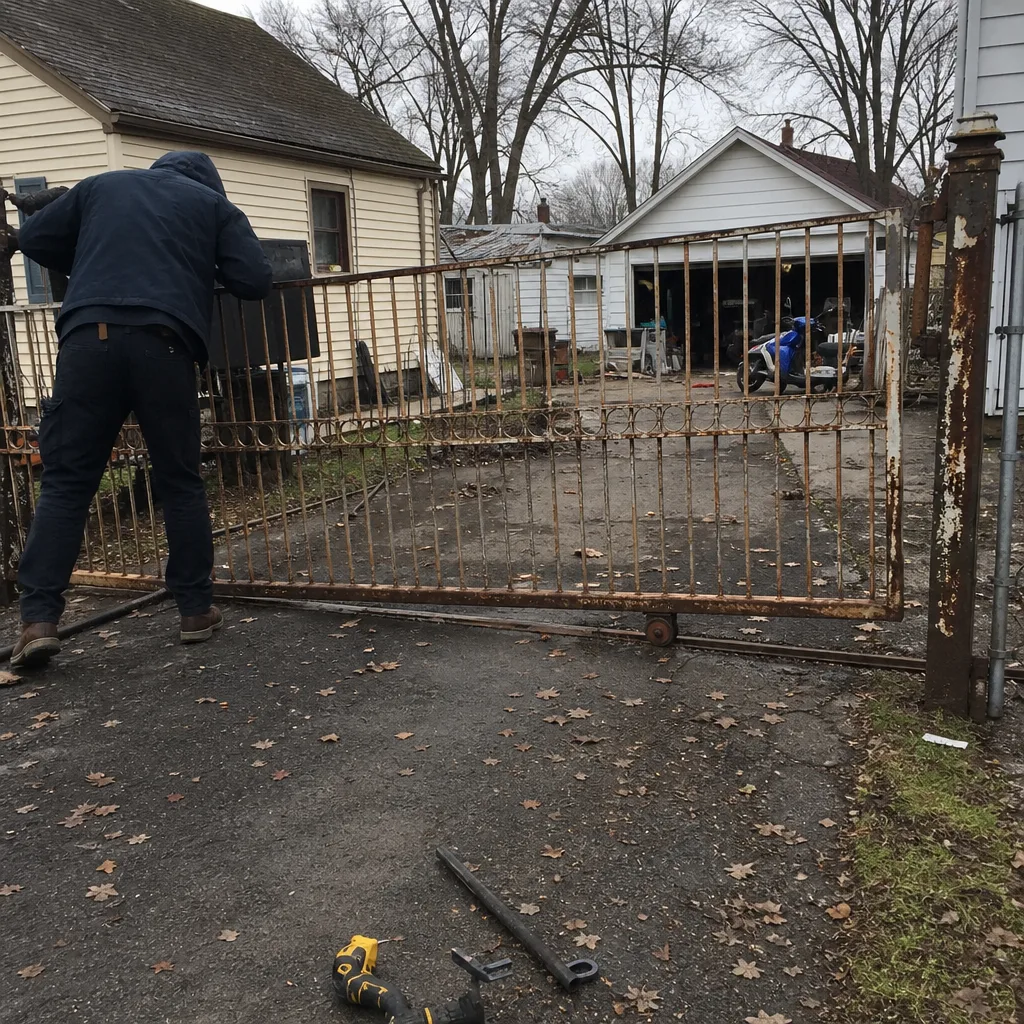 Before
 After
 Before
 After
 Before
 After
Common Mistakes to Avoid
- Treating maintenance as an annual event. Do the whole list once a year and the gate will still fail in February, because the pre-winter and post-freeze timings are what actually prevent failure. Split the work across the calendar instead.
- Using WD-40 on hinges and pivots. It’s a water displacer, not a long-term grease. It thins and evaporates, and leaves your hinges drier going into winter than a proper white lithium grease would.
- Greasing over old grit and rust. Lubricant on top of debris and old grease traps the grit and accelerates wear. Clean the pivot before you re-lubricate it, every time.
- Skipping the torque check. If you never confirm hinge bolts are at spec, you’ll find out a bolt was loose only when the hinge plate starts straining. A torque wrench check in March costs minutes.
- Testing the battery only in warm weather. Cold drops capacity by up to 40%, so a summer pass means nothing for January. Test the battery in October and again mid-winter.
- Ignoring a rattle or a change in sound. A gate that starts to knock or click on opening is telling you something has loosened. That’s the moment for the torque and weld inspection, not next season.
- Letting snow pile against a gate through the winter. A snowbank against a gate invites rust and traps moisture at the pivots and base. Clear the gate line after heavy snow, and keep the drainage clear so meltwater doesn’t freeze at the post footings.
When to Call a Professional
Some of this schedule you can run yourself: greasing a hinge, testing a battery, clearing snow. Other parts call for a professional, and the line is clearer than most owners assume. Call a gate specialist when a gate starts to bind or drag in its swing, when you hear a new rattle or knock, when you see rust staining, paint cracking, or a hairline crack along a weld point, when a post looks out of plumb, or when the operator, control board, sensors, or safety edges misbehave. Those are the situations where a wrong move can damage the gate further, and where electrical and safety components need a trained hand. Heavy swing and slide panels can crush, and a slide gate that jumps its track is a genuine hazard, so put the gate out of use and call rather than force it.
Syracuse Gate Repair offers free estimates in Syracuse. Call (844) 761-3861. We answer 24/7. Fast dispatch from 7am to 7pm, Sunday through Friday. We work on your brand, from Elite to Mighty Mule, and we diagnose before we replace.
Frequently Asked Questions
Split it into four checkpoints across the year: October for pre-winter lubrication, March for post-freeze hinge and weld inspection, July for UV and rust inspection, and a battery test in October and again mid-winter for electric gates. The seasonal timing matters as much as the tasks, because each one addresses a specific seasonal stressor.
No. WD-40 is a water displacer and light penetrating oil, not a long-term lubricant, and it thins out fast. Use white lithium grease on hinges and pivot points, which holds up under cold and moisture through a Syracuse winter.
Cold weather can drop battery capacity by up to 40% compared to warm conditions. A battery at partial health performs fine in summer and fails in the first real freeze. Test the backup in October and again mid-winter so you catch a weak battery before it strands the gate.
Listen for it. A loosened hinge bolt usually shows as a faint rattle, knock, or click on the gate’s first movement, often most noticeable on a cold morning or in wind. By the time any looseness is visible, the bolt has backed out enough to start wearing the hinge plate and weld behind it. A torque check catches it early.
Yes, and specifically in March and July. The freeze-thaw cycle in Syracuse stresses welds and joints, and summer heat expansion flexes them. Watch for hairline cracks, paint that’s split in a line along a weld, or fresh rust staining at a joint. Those are early signs of structural stress, and catching them early prevents a major repair.
Yes. A loose hinge bolt allows play, and play works the hinge plate and the weld behind it every time the gate moves. Left alone, a two-minute torque fix becomes a structural weld repair. This is why the torque check, checking every hinge and post bolt with a torque wrench, belongs on your calendar.
The Bottom Line
Gate maintenance in Syracuse is a calendar, not a checklist. The mechanics decide the timing: lubricate in October because that’s the last window before cold thickens grease and freezes water in the pins; inspect hinges and torque every bolt in March because frost-thaw has moved the metal; inspect UV, rust, and weld points in July because summer heat flexes the structure and makes surface damage visible. Match the lubricant to the component, test the battery in the cold, and listen for the rattle that starts before the damage shows. Do it by the calendar and your gate gets through February without a service call; skip the timing and it won’t.
Call (844) 761-3861 for a free estimate. We answer 24/7. Fast dispatch from 7am to 7pm, Sunday through Friday. Our technicians have up to 8 years of experience, and we’re gate specialists, not generalists.
Written by the team at Syracuse Gate Repair.