
Last updated November 15, 2026
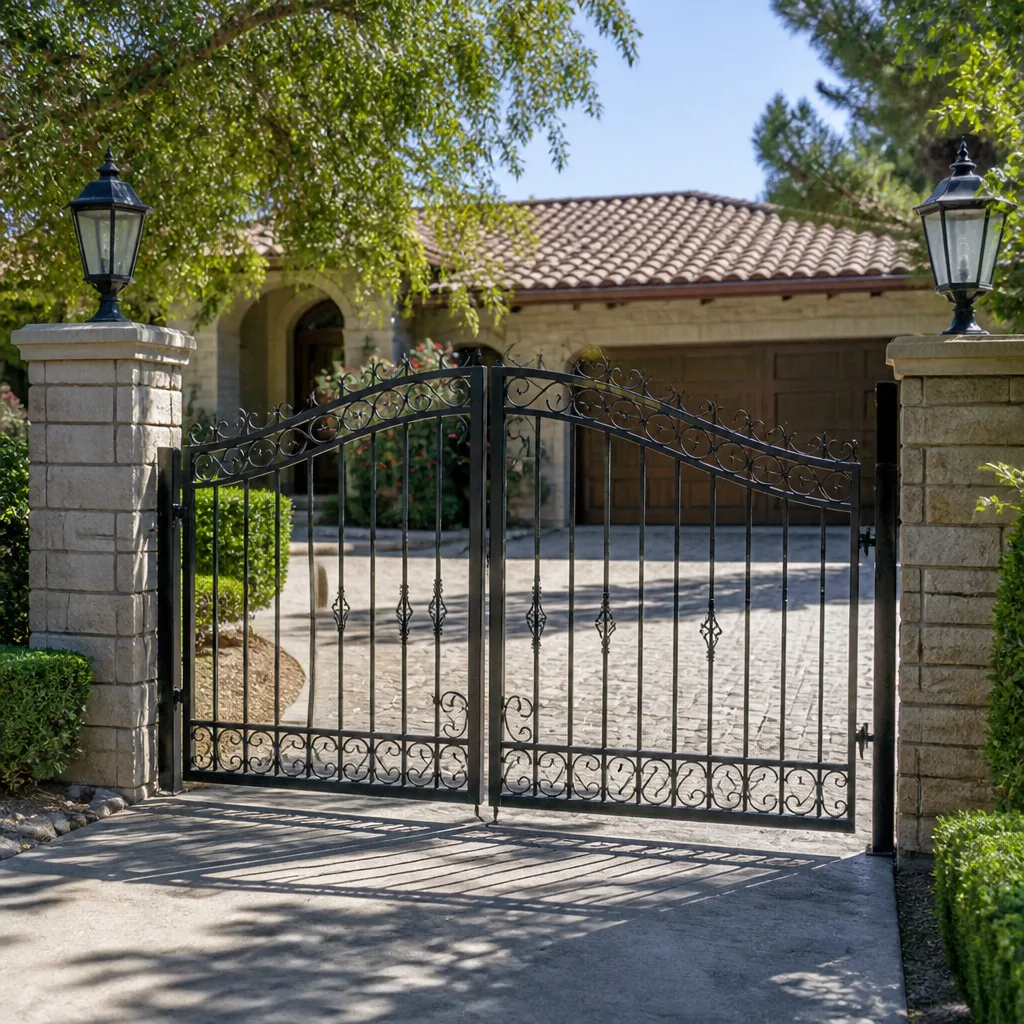 Wrought iron
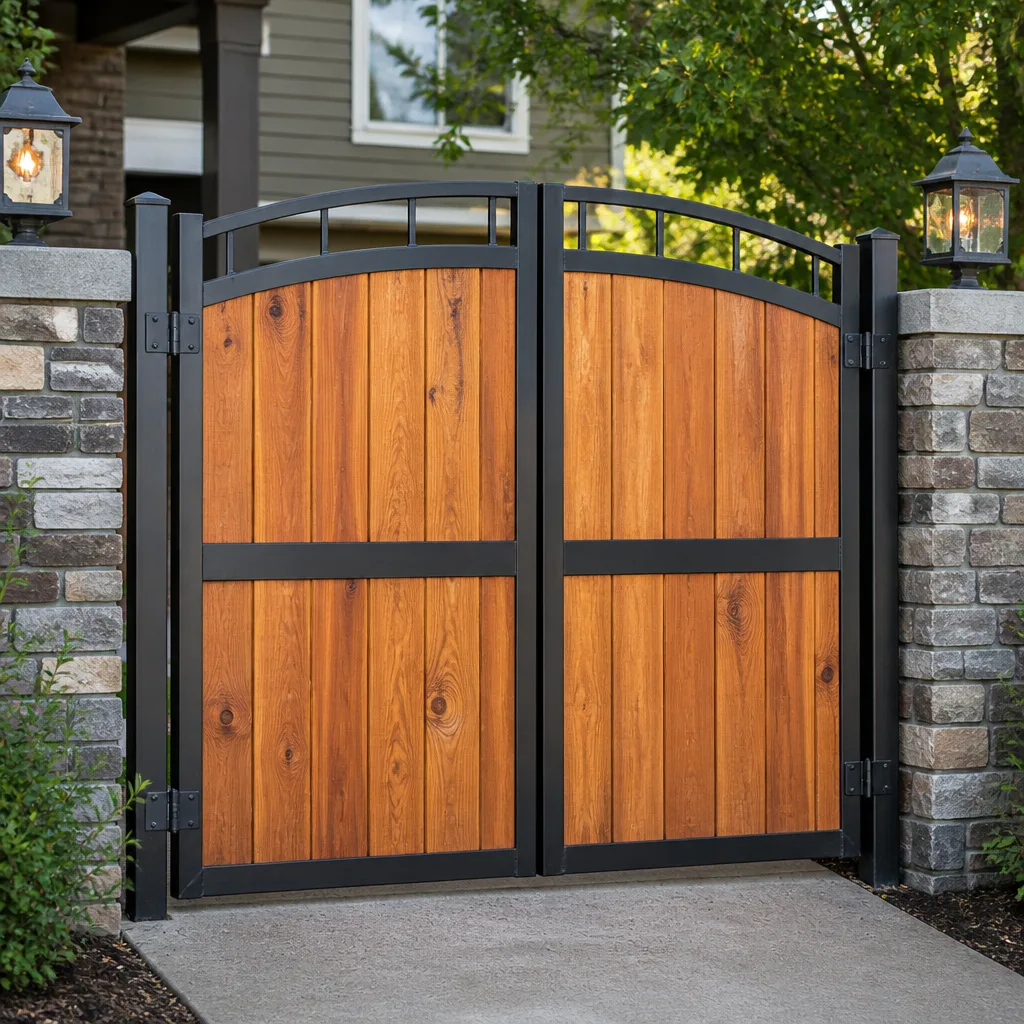 Wood & steel frame
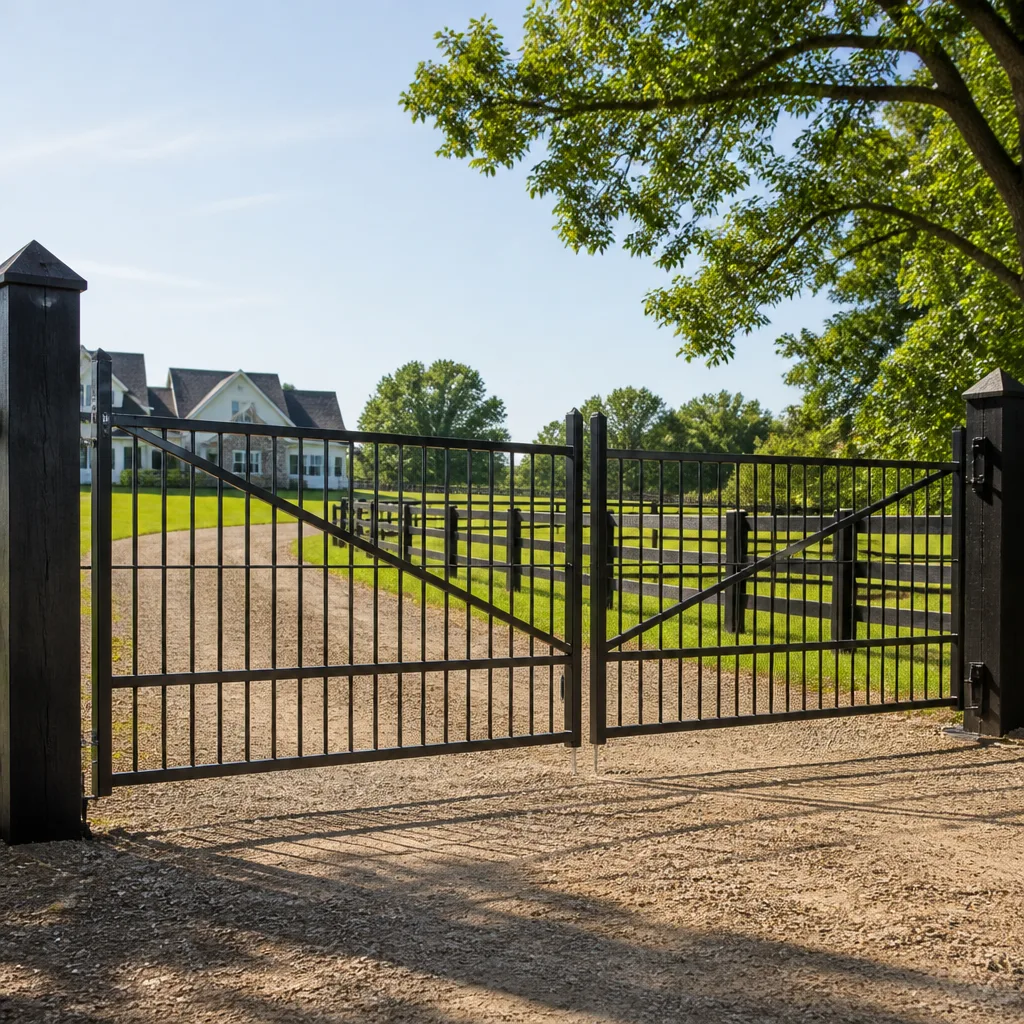 Farm & ranch
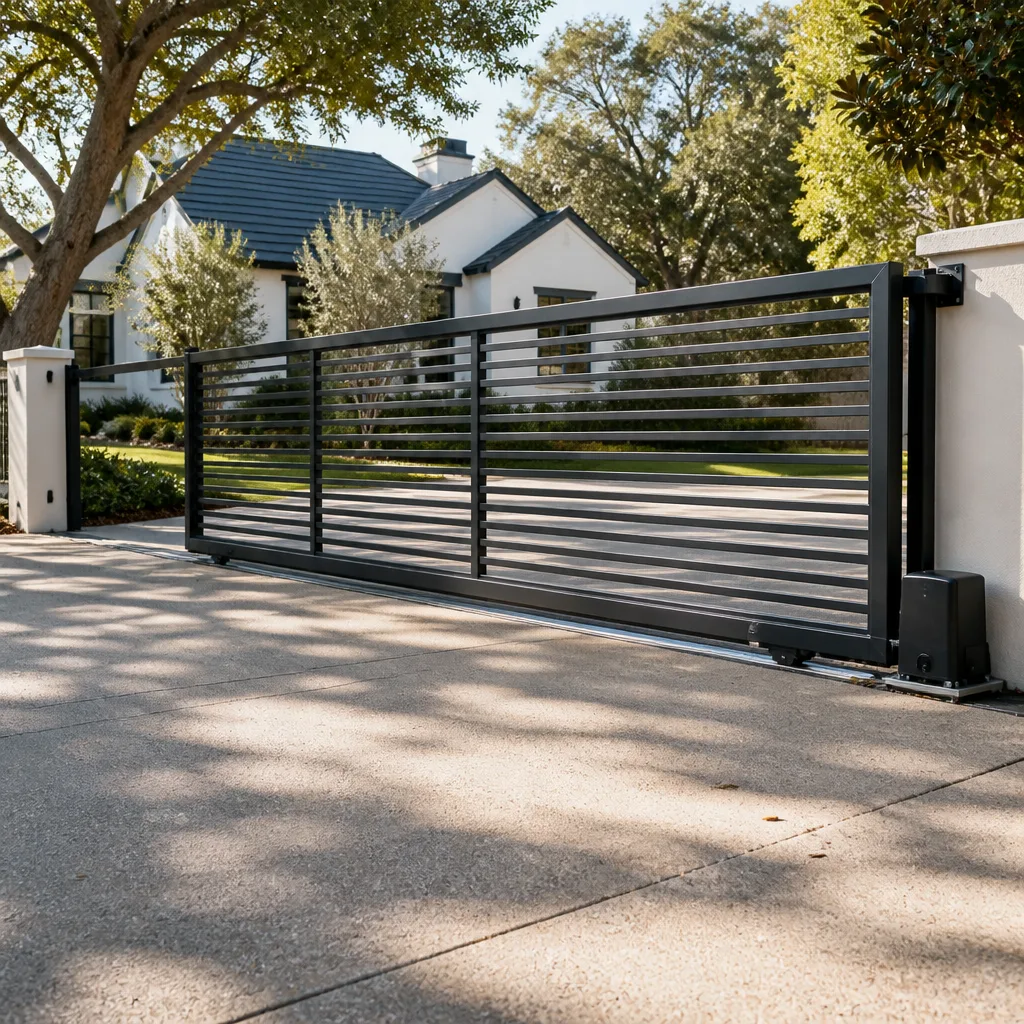 Sliding driveway gates
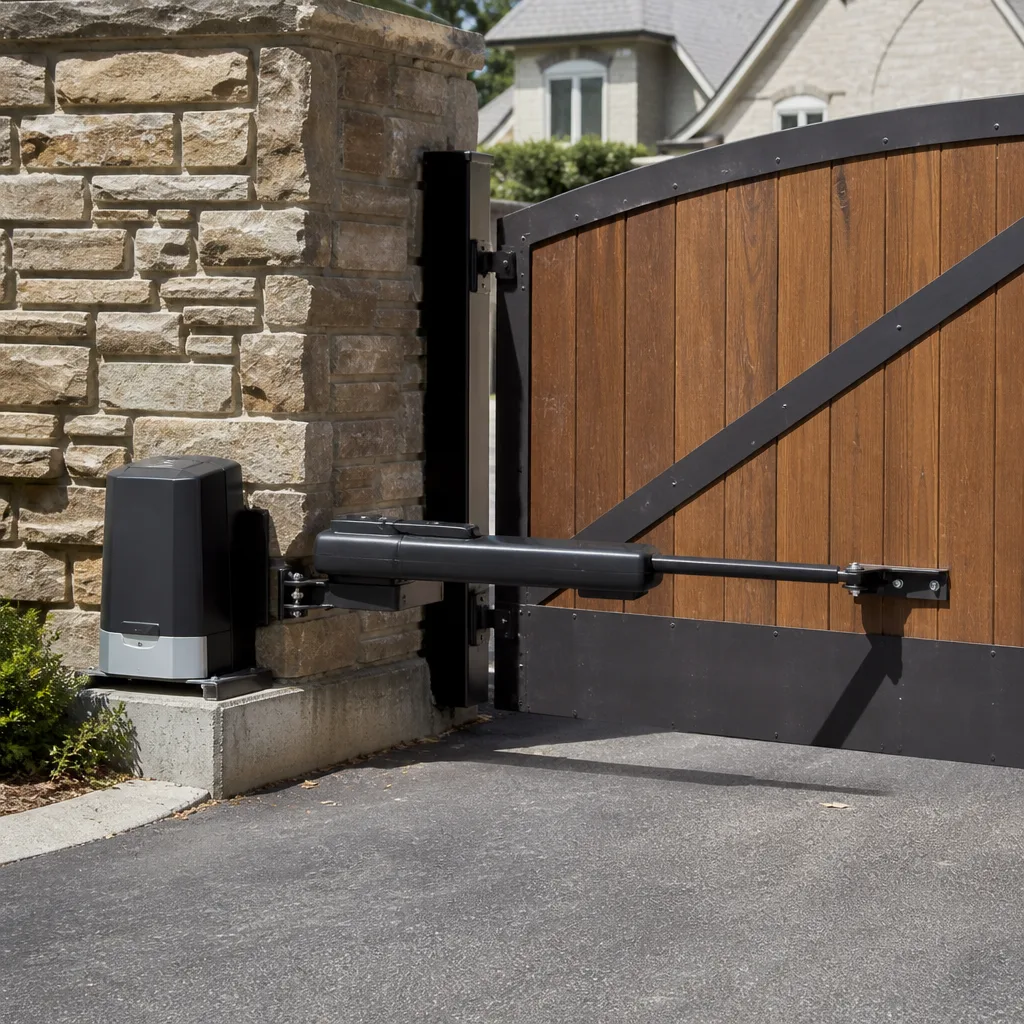 LiftMaster operators
Free on-site gate assessment - hinges, posts, and your LiftMaster or Nice gate operator checked before anything is quoted
The assessment is free and the quote is the invoice.
Get your free estimateGate Repair Emergency Preparedness Guide for Syracuse Homes
Most gate emergencies get worse because of the first thing the homeowner does, not because of the failure itself. A gate that jams shut in an ice storm is a manageable problem. A gate that jams shut and then gets forced open by hand, or has its operator cycled repeatedly against a frozen track, is a repair bill. The difference between the two outcomes is a short sequence of decisions made in the first ten minutes. This guide walks through that sequence for Syracuse homes and commercial properties: what to check, what to override, what to leave alone, and how to know whether you’re looking at a genuine safety hazard or a next-day appointment. Our technicians have up to 8 years of experience, and the patterns below come from that field work.
Quick Answer
If your gate fails in Syracuse, stop and identify three things before touching anything: whether a vehicle or person is trapped in the path, whether the gate is electric or manual, and whether the failure looks mechanical (binding, frozen, off-track) or electrical (no response, erratic behavior, dead keypad). If a person or vehicle is trapped, use the operator’s manual release only after confirming the gate is not on a slope that will let it swing or roll under its own weight. If nothing is trapped, leave the gate in its failed position and call a gate specialist. Forcing a stuck gate is the single most common cause of secondary damage we see.
Styles & brands we work with
- Wrought iron
- Wood & steel frame
- Farm & ranch
- Sliding driveway gates
- LiftMaster operators
Table of Contents
- The 10-Minute Decision Sequence
- Manual Release by Operator Brand: LiftMaster, FAAC, and Viking
- How to Hold a Gate Open or Closed Safely While You Wait
- Syracuse Winter Emergencies: Ice, Frozen Sensors, and Condensation
- What to Have Ready Before You Call
- Hazard or Inconvenience? How to Decide
- Pre-Season Checks That Prevent Most Emergencies
- Common Mistakes to Avoid
The 10-Minute Decision Sequence
A gate emergency in Syracuse almost always follows one of a handful of patterns, and the right response depends on which one you’re in. Work through these steps in order. Don’t skip ahead.
- Stop the traffic. If the gate is blocking a driveway or a commercial entrance, get vehicles clear of the swing or slide path before anything else. A gate that lurches back into motion is more dangerous than one that stays stuck.
- Check for entrapment. Is a person, pet, or vehicle physically caught between the gate leaf and a fixed object? If yes, this is a hazard call, not a diagnostic call. Free the person or vehicle first if it can be done without moving the gate against them.
- Identify the power state. Is the operator receiving power? Check the breaker feeding the gate circuit before you assume the motor has failed. A tripped breaker looks identical to a dead control board from the outside.
- Look for visible mechanical damage. Bent track, a jumped roller, a hinge pulled from the post, a chain off its sprocket. Visible damage means do not cycle the gate again.
- Check for ice and debris. In a Syracuse winter, ice in the track or under the gate leaf is the most common cause of a gate that won’t move. Clear what you can safely reach without tools.
- Decide: override or wait. If the gate must open for access and no damage is visible, use the manual release for your operator type (below). If damage is visible, wait for a technician.
- Call and describe what you found. The information you gathered in steps 1 through 6 is exactly what a technician needs to arrive prepared.
This sequence works the same whether you’re on a residential driveway or managing a commercial lot. The difference is that commercial properties usually have more people affected and less patience for a gate that stays down, which makes step 1 more urgent and step 6 more valuable.
Manual Release by Operator Brand: LiftMaster, FAAC, and Viking
Manual release lets you move the gate by hand when the operator has failed or power is out. The mechanism differs by brand, and using the wrong release procedure can damage the operator’s gear train or leave the gate in a state the operator can’t recover from without service. Before you release anything, confirm the gate isn’t on a slope that will let it move on its own once released. If it is, block the gate leaf first.
LiftMaster operators
Most LiftMaster slide and swing operators use a release key or lever on the operator housing. The general procedure is to insert the release key, turn it to disengage the gear, and then move the gate by hand. On swing operators the release is usually at the arm. The important detail: after you release the gate, the operator stays disengaged until you re-engage it deliberately, and a gate left disengaged will not respond to a remote or keypad even after power returns. If you release it, plan to re-engage it manually or have a technician do it.
FAAC operators
FAAC swing and slide operators typically use a manual release lever or a keyed release depending on the model line. On many FAAC swing arms the release is a lever you turn to disengage the motor, and the gate then swings freely. FAAC slide operators often use a release handle that disengages the pinion from the rack. The caution with FAAC equipment is that the release lever position must be fully seated when you re-engage; a partially engaged lever causes the operator to run but not move the gate.
Viking operators
Viking swing and slide operators commonly use a keyed release or a pull-handle release on the operator body. The procedure is to disengage the drive and move the gate by hand. Viking units that have been in service through several Syracuse winters sometimes have release mechanisms that are stiff from cold and grit, so apply steady pressure rather than force. If the release won’t move, stop; forcing it can snap the release linkage.
If you’re not sure which operator you have, look for the brand plate on the housing. If you can read the brand, tell us when you call. We work on LiftMaster, FAAC, BFT, Linear, Viking, Ghost Controls, DoorKing, Elite, and Mighty Mule systems, and the technician will already know the release procedure for your unit before arriving.
How to Hold a Gate Open or Closed Safely While You Wait
Sometimes you need the gate held in a specific position for a few hours, not released altogether. Doing this badly causes damage; doing it well is straightforward.
- Never prop a gate with a loose object. A brick or a cinder block under a gate leaf can shift, and a gate that falls onto a prop can bend the leaf or damage the operator arm. Use a proper gate stop or a weighted brace rated for the gate’s weight.
- Secure the gate against wind. Syracuse wind can move a released gate leaf more than people expect. If you’ve released the operator, tie the gate to a fixed post with a strap rated for the load, not rope that will stretch or slip.
- Don’t leave an operator partially engaged. If you’ve released the gate and want it to stay put, leave the operator fully disengaged and secure the gate mechanically. A half-engaged operator can try to drive a gate that’s physically blocked and burn out the motor.
- For a gate that must stay closed, block the path, don’t force the operator. If the operator has failed in the open position and you need the gate closed for security, close it by hand (if released) and secure it with a padlock or a strap. Cycling the operator repeatedly to try to close it is how control boards get damaged.
- Keep people off the gate. Children climb gates. A gate in a failed state can move unexpectedly once a technician begins work or once power is restored.
The goal is to hold the gate in position with mechanical restraint, not with the operator. The operator is designed to move the gate, not to hold it against a load, and asking it to do both is how motors and gear trains fail.
Syracuse Winter Emergencies: Ice, Frozen Sensors, and Condensation
Syracuse winters create a specific set of gate failures that don’t happen in warmer climates, and the first-response steps for each are different. Recognizing which one you have saves time and prevents damage.
Ice-locked gates
A gate that won’t move after an ice storm is usually physically locked by ice in the track, under the leaf, or in the hinge, not electrically failed. First response: clear ice from the track and the base of the gate with a plastic scraper, not a metal tool that can gouge the track. Do not cycle the operator repeatedly to break the gate free. The operator will run against a load it can’t move and the motor or control board can fail. If the gate moves freely by hand after clearing ice, the operator is probably fine. If it still binds, stop and call.
Frozen or blocked safety sensors
Photoelectric safety sensors on electric gates stop and reverse the gate when the beam is broken. Snow piled against a sensor, ice on the lens, or a sensor knocked out of alignment by a snowplow all produce the same symptom: the gate opens partway and reverses, or refuses to close. First response: clear snow and ice from both sensor faces and check that the sensor brackets haven’t been bent. Realign only if the bracket is visibly askew; don’t adjust the sensor angle by guesswork, because a misaligned sensor can defeat the safety function entirely.
Condensation-damaged control boards
Freeze-thaw cycles in Syracuse drive moisture into operator housings. A control board with condensation damage often shows intermittent behavior first: the gate works in the morning and not in the afternoon, or responds to the remote some of the time. Don’t open the operator housing to dry it out yourself; the control board carries line voltage and the housing seal matters. An intermittent gate is a call-now situation, because condensation damage gets worse and a board that’s failing can send the gate into unexpected motion.
What to Have Ready Before You Call
The difference between a technician arriving with the right part and a second visit is usually the information you provide on the phone. Have these ready:
- The gate type. Swing or slide. Manual or electric. Approximate width and material if you know it.
- The operator brand and model if visible. The brand plate is usually on the operator housing. If you can read LiftMaster, FAAC, BFT, Linear, Viking, Ghost Controls, DoorKing, Elite, or Mighty Mule, say so. We stock and source parts for all of these and work from known failure patterns for each.
- The symptom in specific terms. “Won’t move at all,” “moves partway and reverses,” “motor runs but gate doesn’t move,” “beeps and stops,” “works from the keypad but not the remote.” Each of these points to a different fault.
- What you’ve already tried. If you checked the breaker, cleared ice, or used the manual release, say so. That history matters.
- The power state. Is the operator getting power? Any lights on the control board or operator housing? Any error codes on a display?
- Your location in Syracuse. Neighborhood or street helps us route and schedule. If you’re in a specific part of the city, tell us; we work throughout the area.
- Whether anything is trapped or blocked. If a vehicle is stuck in the path, say so first.
Call (844) 761-3861. We answer 24/7. Fast dispatch from 7am to 7pm, Sunday through Friday. A call outside dispatch hours is booked into the next opening, Sunday through Friday, 7am to 7pm.
Hazard or Inconvenience? How to Decide
Not every gate failure is an emergency, but some are genuinely dangerous. Use this test.
Treat it as a hazard if any of these are true:
- A person, pet, or vehicle is trapped by the gate.
- The gate is moving on its own, or moving unpredictably when power is applied.
- A gate leaf is hanging from a damaged hinge or off its track and could fall.
- The safety sensors are not functioning and the gate still cycles.
- The gate is blocking a fire lane or emergency access at a commercial property.
- Wiring is exposed, damaged, or sparking at the operator or the power run.
If any of these apply, keep people clear and call. If the gate is simply stuck in the closed position and nothing is trapped, that’s a real inconvenience but not a hazard, and it can wait for a scheduled appointment. For a gate that’s stuck but not dangerous, our gate repair service covers the diagnosis and the fix without a second visit. If the fault turns out to be in the operator, control board, or wiring, that’s electric gate repair, which is its own discipline: motors, boards, sensors, and power runs fail in specific patterns that a generalist will misdiagnose. We diagnose before we replace, and the written estimate sets the price before any work starts.
The one situation that’s never an inconvenience: exposed or damaged electrical wiring at the operator. Don’t touch it. Line voltage at a gate operator can injure or kill, and only a trained professional should work on it. Shut off the breaker if you can do so safely from the panel, keep people and pets away from the gate, and call.
Pre-Season Checks That Prevent Most Emergencies
Most of the emergencies in this guide are predictable, and a short pre-season check before winter and before summer reduces the odds of a middle-of-the-night failure.
- Test the manual release before you need it. A release mechanism that’s frozen or rusted is useless in an emergency. Operate it in mild weather and confirm it moves freely and re-engages fully.
- Clear the track and the sensor path. Before the first hard freeze in Syracuse, clear debris from the gate track and confirm both safety sensors have a clear line of sight.
- Check the operator housing seal. A cracked or missing gasket is how moisture gets to the control board. If the housing is cracked, that’s a repair before the next freeze-thaw cycle.
- Look at the hinges and rollers. A hinge pulling away from a post or a roller that’s worn flat will fail eventually. Catching it in a check is cheaper and safer than catching it in a failure.
- Have the brand and model written down. Tape the operator model number inside the control box or keep it in a phone note. When you call, you won’t be standing in the cold trying to read a plate.
If your gate needs a pre-season look, or if you’re evaluating whether to repair an aging operator or replace it, our Syracuse Gate Repair team can help. We also handle full gate installation when repair no longer makes sense, so you don’t have to find a second company as your needs change.
Common Mistakes to Avoid
- Forcing a frozen gate by hand. A gate that’s ice-locked in a Syracuse winter won’t yield to force, and the force goes into the hinge, the track, or the operator arm instead. Clear the ice and let the gate move freely, or call.
- Cycling the operator repeatedly to “wake it up.” Repeated cycling against a load is how motors and control boards fail. If the gate doesn’t move on the first or second attempt, stop and diagnose.
- Using the manual release without checking for a slope. Releasing a gate on a slope lets it move under its own weight, and a gate that swings or rolls unexpectedly can injure someone or damage the operator. Block the gate first.
- Trying to dry a wet control board in place. Condensation damage in a Syracuse freeze-thaw season is common, but opening the operator housing to dry the board exposes you to line voltage and can void the housing seal. Leave it to a technician.
- Assuming a tripped breaker is a dead motor. Check the breaker before you conclude the operator has failed. A gate that “died” after a power event is often a breaker or a board reset, not a motor.
- Calling a general handyman for an electric gate. Electric gate repair is its own discipline, and a generalist will often replace the wrong part. Call a gate specialist who works on your brand.
- Not noting the brand before calling. The brand plate tells the technician what to expect before arriving, which shortens the repair. A Syracuse gate emergency in January is no time to be guessing at the operator model.
See the difference
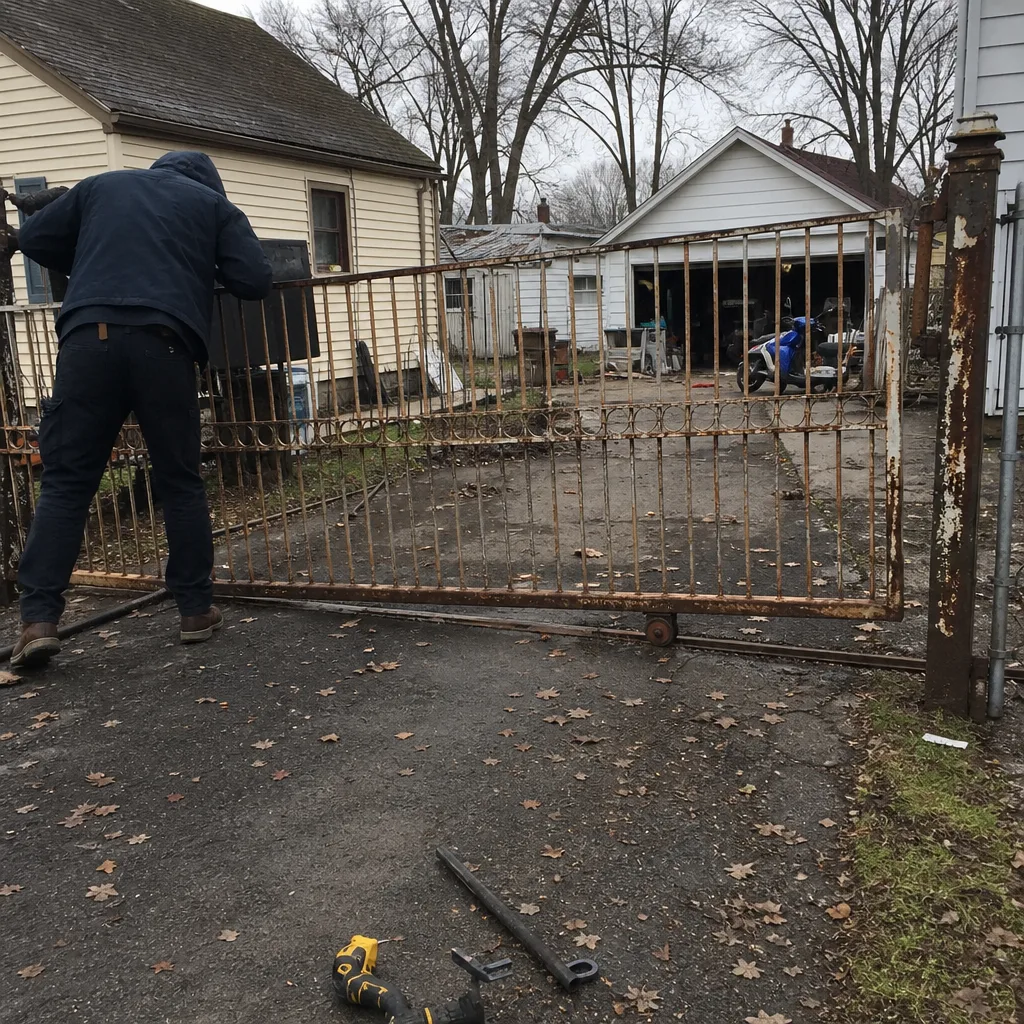 Before
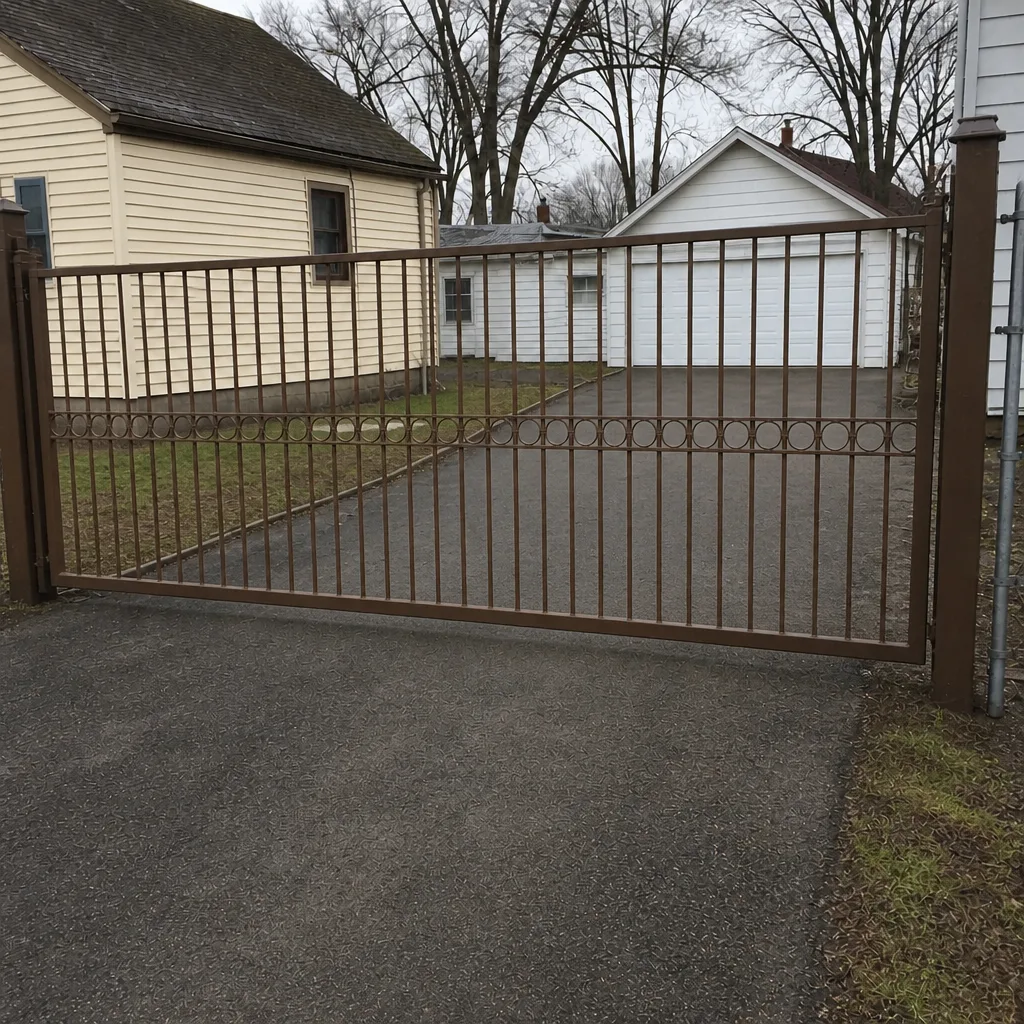 After
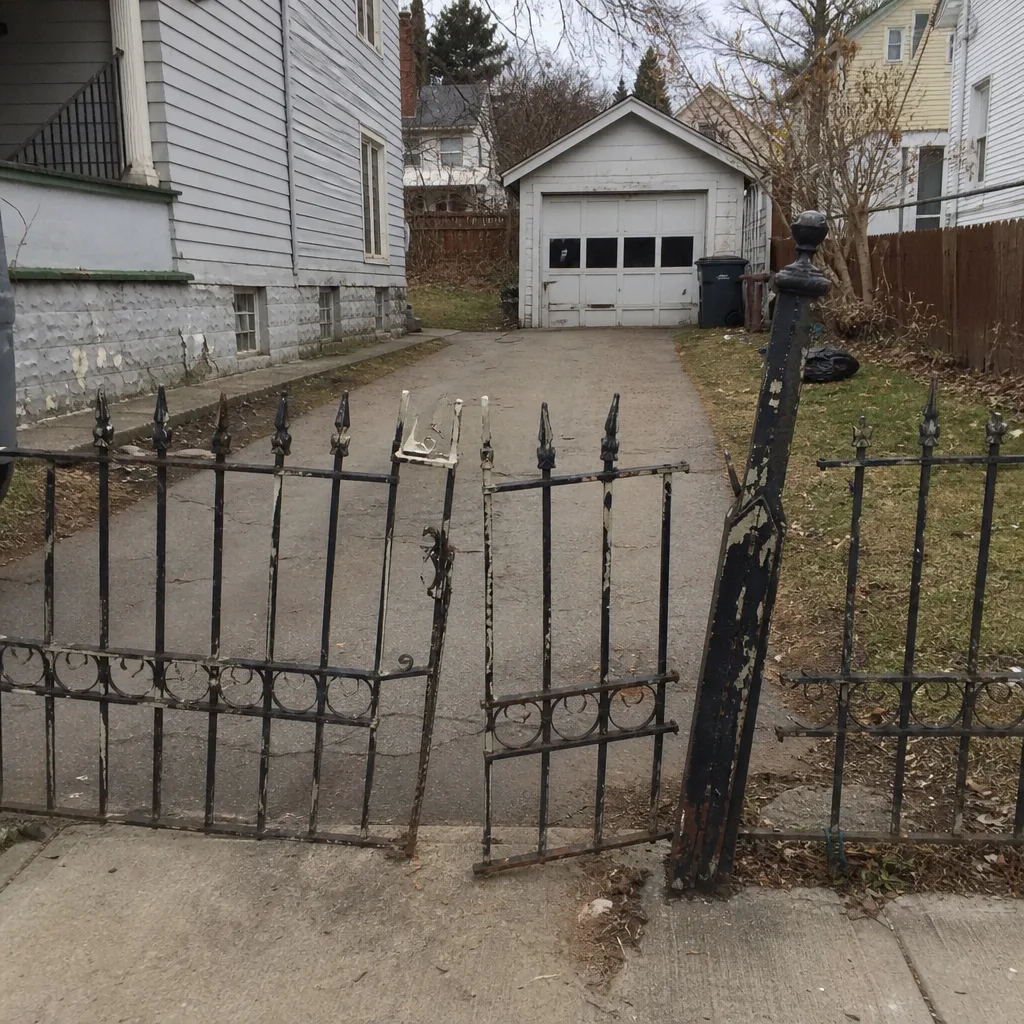 Before
 After
 Before
 After
When to Call a Professional
Call for any gate failure involving trapped people or vehicles, unpredictable gate motion, damaged hinges or track, non-functioning safety sensors on a gate that still moves, exposed wiring, or a commercial gate blocking emergency access. Call when the operator housing is damaged or wet, when the gate has failed twice in a season, and when you’ve used the manual release and aren’t sure the operator is fully re-engaged. For a gate that’s simply stuck and not dangerous, a scheduled appointment is fine. Syracuse Gate Repair offers free estimates in Syracuse. Call (844) 761-3861. We answer 24/7. Fast dispatch from 7am to 7pm, Sunday through Friday.
Frequently Asked Questions
Yes, if your operator has a working manual release, and most do. Confirm the gate isn’t on a slope that will let it move on its own, block the gate leaf, then use the brand-specific release for your operator. After you release a gate, the operator stays disengaged until you re-engage it deliberately, so plan for that or have a technician re-engage it.
No. Forcing a frozen gate in Syracuse transmits the force into the hinge, the track, and the operator arm. Clear ice from the track and the base of the gate with a plastic scraper, then try moving the gate by hand. If it moves freely, the operator is probably fine. If it still binds, stop and call.
A gate that opens partway and reverses is almost always reacting to a safety sensor. Snow piled against a sensor, ice on the lens, or a sensor knocked out of alignment all cause this. Clear the sensor faces and check the brackets. If the reversal continues after clearing, the sensor or its wiring needs diagnosis.
Only if something is at risk. A gate stuck open is a security and convenience problem, but it’s not a hazard unless the gate is moving unpredictably or something is trapped. Secure the gate mechanically if you can, and call to schedule an appointment. If the gate is moving on its own, treat it as a hazard.
The brand plate is usually on the operator housing. Common brands we work with include LiftMaster, FAAC, BFT, Linear, Viking, Ghost Controls, DoorKing, Elite, and Mighty Mule. Tell us the brand when you call and the technician arrives knowing the release procedure and common failure patterns for your unit.
Freeze-thaw cycles drive moisture into operator housings, which damages control boards over time. Ice in tracks and under gate leaves creates mechanical binding. Snow piled against safety sensors defeats the safety function and causes reversal behavior. Condensation damage often shows up as intermittent operation first, which is the point to call rather than wait.
The Bottom Line
A gate emergency in Syracuse is manageable if you follow the sequence: stop traffic, check for entrapment, check power, look for visible damage, clear ice and debris, decide whether to override or wait, and call with the specific information a technician needs. Use the manual release for your operator brand only after confirming the gate isn’t on a slope that will move it. Hold the gate mechanically, not with the operator. Treat trapped people or vehicles, unpredictable motion, and damaged wiring as hazards and call immediately. Bring that same discipline to your gate this season. Call (844) 761-3861 for a free estimate. We answer 24/7. Fast dispatch from 7am to 7pm, Sunday through Friday.
Written by the team at Syracuse Gate Repair.