
Last updated November 15, 2026
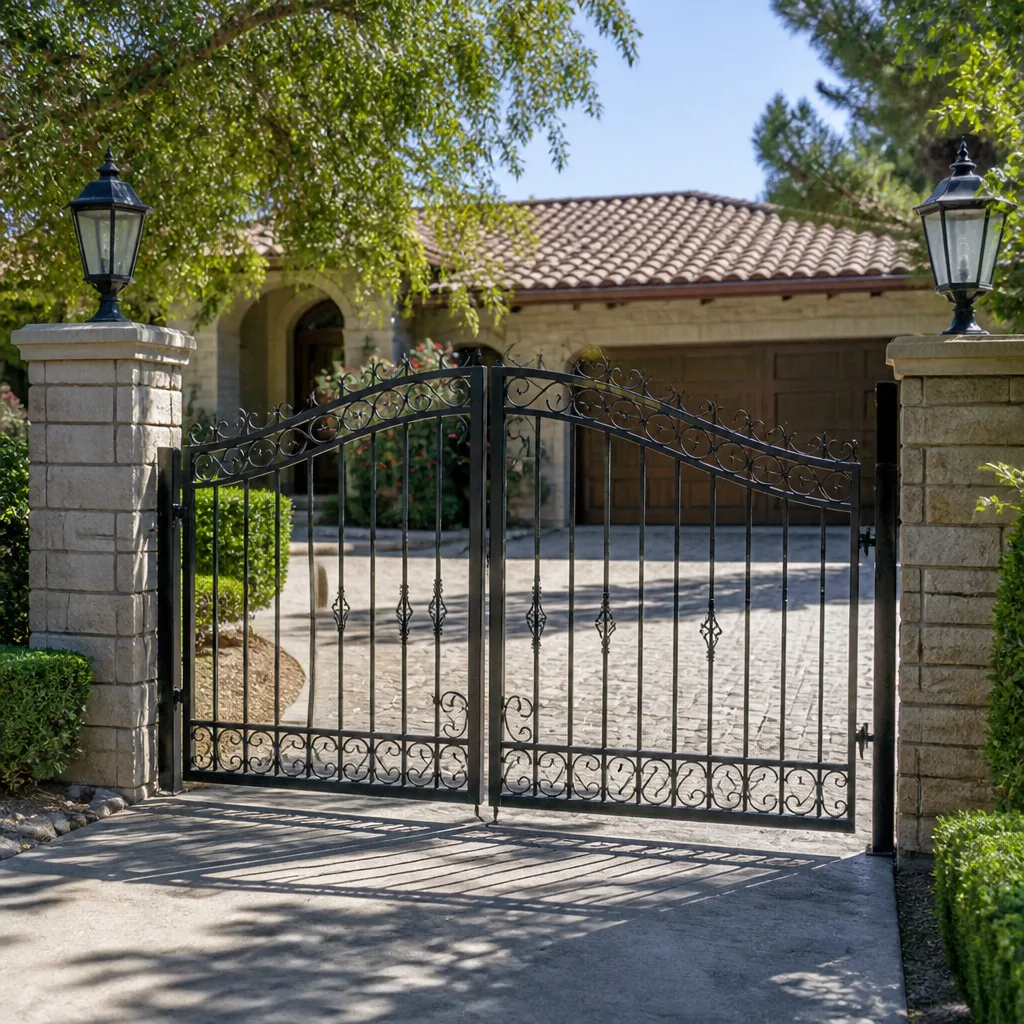 Wrought iron
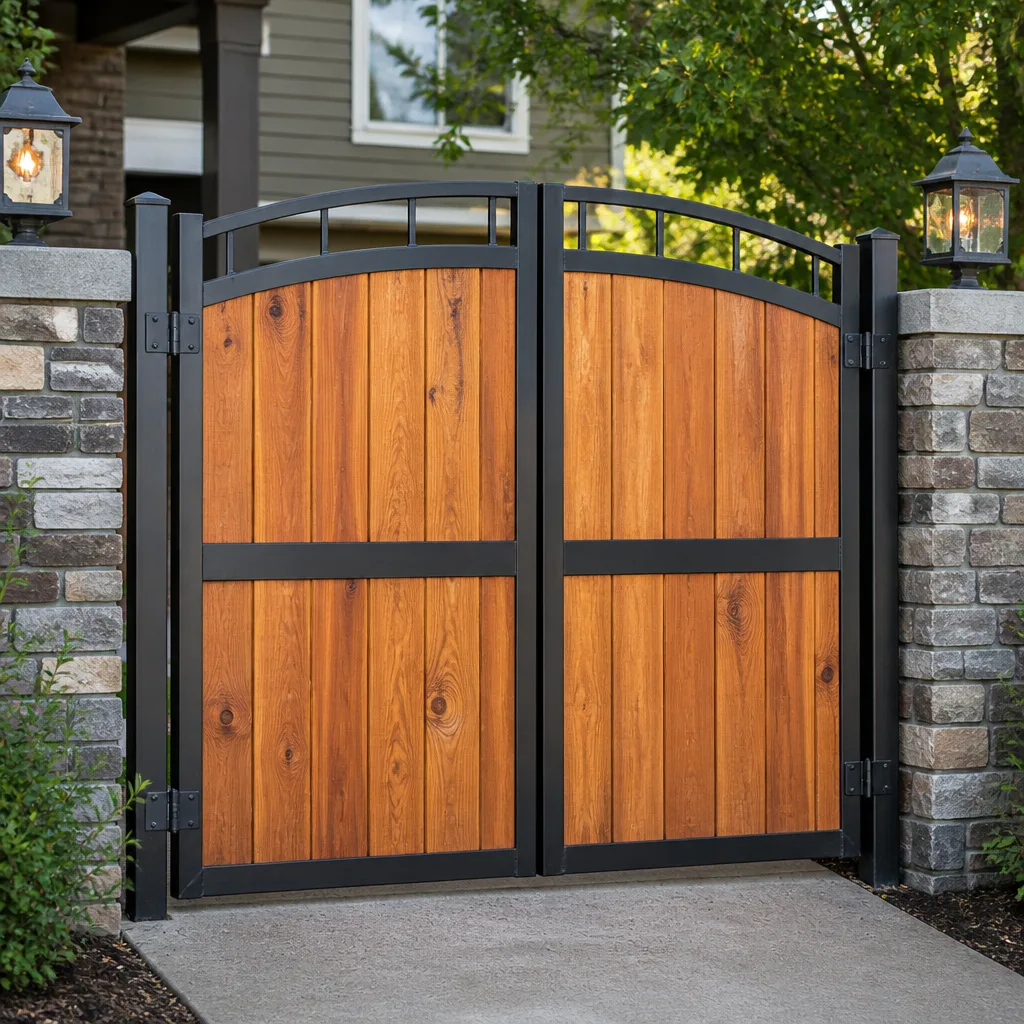 Wood & steel frame
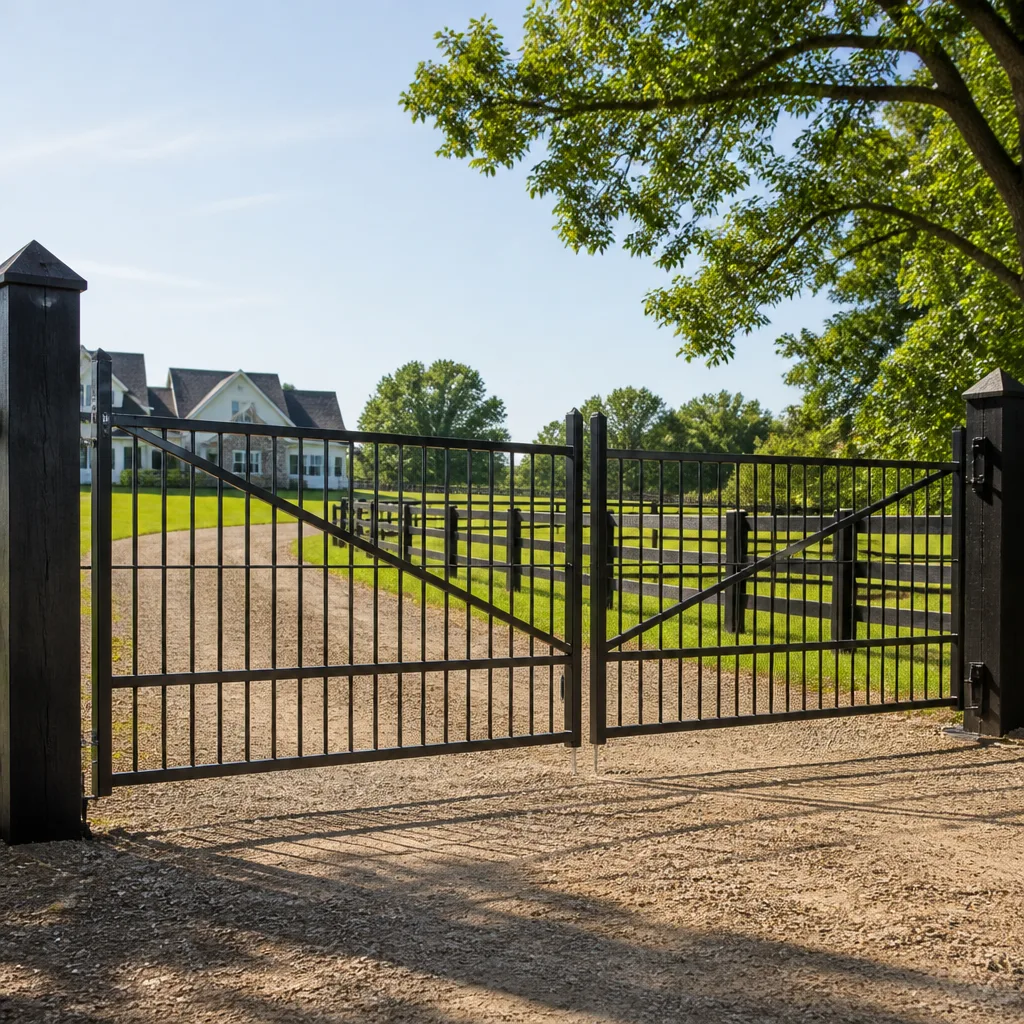 Farm & ranch
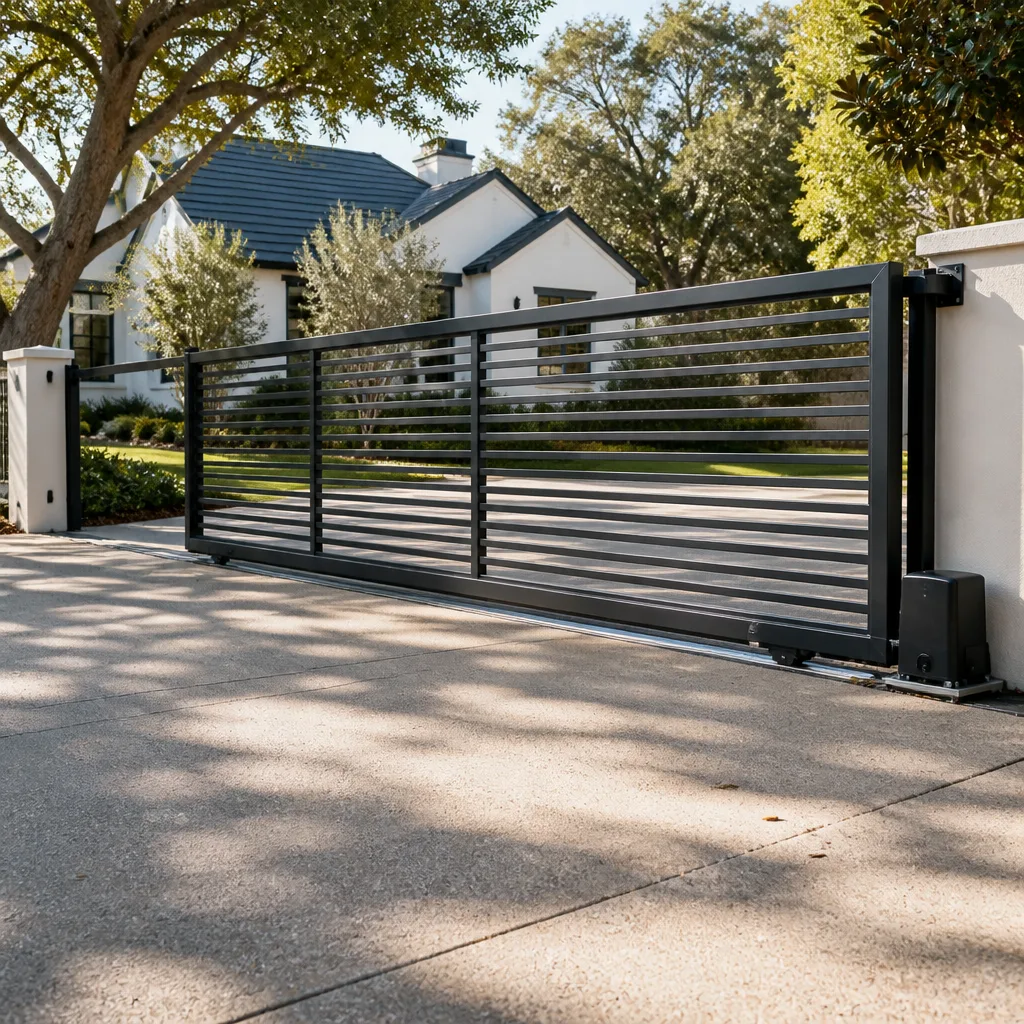 Sliding driveway gates
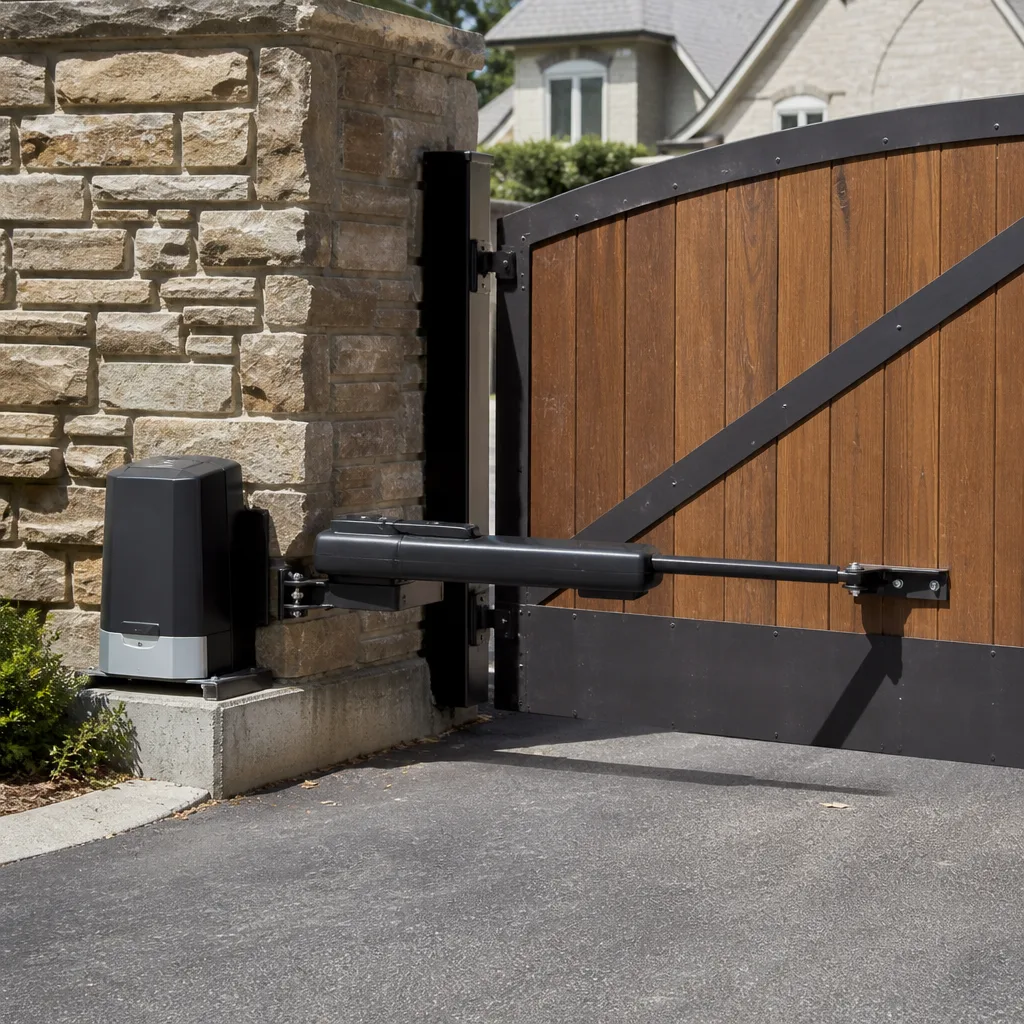 LiftMaster operators
Free on-site gate assessment - hinges, posts, and your LiftMaster or Nice gate operator checked before anything is quoted
The assessment is free and the quote is the invoice.
Get your free estimateGate Repair Permits, Codes & Inspections in Syracuse, NY: What You Need to Know
If a contractor tells you that every gate repair needs a permit, ask them which code section says so. In most cases, a repair to an existing gate in Syracuse does not require a permit at all. The threshold that matters is narrower than the warnings suggest, and it lands in a specific place: the moment work stops being a repair and becomes new construction. That line decides whether you’re looking at a routine fix or a filing with the city, an HOA review, and a safety standard that gets checked. This guide draws that line, so you know when a permit is genuinely part of the job and when the warning is just noise.
Quick Answer
Most gate repair in Syracuse, NY does not require a permit. Replacing a motor, control board, sensor, hinge, roller, or latch on an existing gate is generally exempt, and so is a “replacement in kind” that matches the original footprint, height, and material. What usually does require a permit is installing a new automated gate system, running new power and wiring to a gate, or building something larger or differently placed than what was there. Beyond permits, automated gates still have to meet UL 325 entrapment protection standards, and HOA rules in many Syracuse-area communities add requirements that go further than the city code does.
Styles & brands we work with
- Wrought iron
- Wood & steel frame
- Farm & ranch
- Sliding driveway gates
- LiftMaster operators
Table of Contents
- What Actually Triggers a Permit in Syracuse
- What “Replacement in Kind” Means and Why It Matters
- Automated Gates and UL 325 Safety Compliance
- HOA Overlay Rules in Syracuse Communities
- Power, Wiring, and the Electrical Boundary
- How to Verify the Work Is Code-Compliant
- What an Inspection Actually Looks At
- Local Conditions That Affect Gate Work in Syracuse
Why “Do I Need a Permit?” Has No Single Answer
The permit question is really two questions tangled together. The first is whether the work is construction or maintenance. The second is who has jurisdiction over it – the city, your HOA, or your own insurer’s expectations. Those two questions have very different answers depending on what’s actually being done.
A gate that stops opening because its motor failed is maintenance territory. A gate that gets swapped for a larger, differently configured automated system is construction. The gap between those two situations is where the confusion lives, and it’s why you’ll hear contradictory advice from three different contractors on the same driveway.
At Syracuse Gate Repair, we’ve been sent to jobs where a homeowner was told a permit was mandatory for a failed opener, and to jobs where a fully automated system was installed with no filing at all. The first scenario wastes a homeowner’s time and money on permits they never needed. The second is the one that can come back later – at resale, at an insurance claim, or when a neighbor’s complaint triggers a code review.
What this guide does is sort the work into categories: exempt, possibly permit-required, and definitely permit-required. That sorting is what protects you from being over-warned on a simple repair and caught off guard on a bigger change. We’ll also cover what UL 325 compliance means for automated gates, how HOA rules layer on top of city code, and what you can reasonably check yourself before you hire anyone. The environmental context matters too: Syracuse winters are hard on gate hardware and operators, and the wear patterns that come out of them are a large part of what gate work here actually looks like.
What Actually Triggers a Permit in Syracuse
In most cases, repairs that keep a gate in its existing condition, in its existing location, at its existing size, do not trigger a permit in Syracuse. The permit line shows up when the work changes the location, dimensions, or character of the gate itself – or brings a new electrical circuit onto the structure where one didn’t exist before.
The city’s zoning and building code review focuses on what changes about the structure and the site, not the internal mechanics. Bear in mind that code requirements do get updated, and specific rules can vary by parcel, so the practical habit is: for anything beyond like-for-like repair, confirm with the City of Syracuse building department before work starts.
Here’s how the work generally sorts out:
Generally exempt from permits
- Replacing a motor, control board, receiver, or remote on an existing automated gate
- Replacing rollers, hinges, latches, and track components on a manual or automated gate
- Adjusting or replacing safety sensors and safety edges on an existing operator
- Straightening or re-hanging a sagging swing gate that stays in the same location and size
- Rewiring a damaged sensor connection on an existing automated gate (where the circuit itself isn’t changing)
Potentially permit-required
- Installing a new automated operator on a gate that was previously manual
- Changing the number, size, or configuration of gate panels
- Replacing a gate with one that isn’t dimensionally or materially the same as what was there
- Relocating a gate to a new position on the property line
Generally permit-required
- New gate installation on a property that didn’t previously have a gate
- Running a new electrical circuit to supply an automated gate operator
- Any structure change that affects the site plan, easements, or property boundaries
That last category is where the permitting process becomes a real, scheduled project rather than a same-day repair. On a new installation, we’re measuring, ordering, and scheduling – not dispatching a technician immediately. If you’re in the earliest stages of a new automated gate, the practical first step is a free on-site measure and a written estimate, not a permit filing. That sequence matters.
What “Replacement in Kind” Means and Why It Matters
“Replacement in kind” means installing something that matches what was already there in size, material, location, and general function. In most jurisdictions, that kind of replacement stays on the repair side of the line and doesn’t require a full permit process. For a gate, this is often the single most important phrase when you’re trying to figure out whether a repair or replacement will require a filing.
The logic is straightforward. The permit process exists to review changes to the property – denser structures, different heights, different sight lines, different impacts on neighbors and drainage. A gate that replaces a gate, at the same dimensions, with the same footprint, doesn’t change any of those things. The site looks the same after the work as before. That’s the test.
Where it gets murky is when a homeowner replaces a wooden gate with a decorative metal one at the same overall dimensions. The site footprint is the same, but the material and appearance change. Whether that counts as “in kind” depends on how your municipality interprets it. The safe move: describe what you’re proposing to install to whoever issues permits in your area and get their read before you order.
In our experience, this is exactly why it pays to have someone with gate-specific knowledge evaluating the work rather than a contractor who’s swapping gate in and gate out between jobs. A dedicated gate specialist works from the actual configurations and knows which swap-outs fall into the replacement-in-kind category. If an operator is going to be added in the process, that changes the story – an automated gate introduces a safety compliance obligation, which we cover next.
If you’re at the point where the repair-versus-replace question is in front of you, our gate repair page walks through how we scope that kind of job. The short version: with older hardware, once the underlying frame, posts, and hinges are past their serviceable life, repair cost can climb close to replacement cost. That’s a budget conversation, not a codes conversation.
Automated Gates and UL 325 Safety Compliance
UL 325 is the safety standard for automated gate operators in the United States – specifically, entrapment protection. It’s the standard that requires an automated gate to have some means of preventing it from crushing or trapping a person or object in its path. It applies to the operator’s safety features, not to whether a permit is required, but the two questions often travel together.
On any automated gate we work on, entrapment protection breaks down into a few practical categories:
- Inherent entrapment protection – features built into the operator itself, such as a motor that senses resistance and reverses
- External entrapment protection – sensors and safety edges that detect an obstruction and stop or reverse the gate
- Reversing edges on swing gates – a physical sensitive edge on the leading face of each gate leaf
- Photoelectric sensors on sliding gates – beam-based obstruction detection across the gate opening
The reason we make a point of this on every electric gate service call: a lot of older automated gates in Syracuse have had their safety sensors bypassed, removed, or disabled at some point, and the operator runs anyway. That’s a real hazard, especially on a gate that swings or slides onto a driveway where a child or a pet could be in the path. It’s also an insurer’s concern.
When we
take on an electric gate repair job, part of the assessment is confirming that the safety devices are present and working, not just that the motor turns. That’s a fixed obligation on an automated gate. It’s also why electric gate repair is its own discipline – it isn’t general electrical work repurposed. We work with LiftMaster, FAAC, Elite, and other major operators daily, and the safety-device logic differs across brands. A competent technician knows where the safety inputs are on each manufacturer’s board, which is not a guess.
When it comes to UL 325 and installation, the standard applies to the operator you’re installing, and it needs to be properly configured at install, not bolted on afterward. In practice, the safety edges or sensor pairs need to be part of the installation scope from the start.
HOA Overlay Rules in Syracuse Communities
City code is only part of the picture. Many Syracuse-area neighborhoods, particularly planned communities and subdivisions, have homeowner association rules that add restrictions on top of municipal requirements. Those rules often apply even when no city permit is required at all.
What HOA rules typically address:
- Appearance standards – color, finish, material, and ornamentation of the gate
- Height and setback – often more restrictive than city code
- Sight lines at driveways and intersections – to protect visibility for pedestrians and vehicles
- Operational restrictions – noise, timing, and whether an automated gate is permitted at all
- Approval process – many HOAs require written design review before any installation begins
The practical consequence: even if the city says “no permit needed,” your HOA may still have to approve your gate. If you skip the HOA step, you can find yourself with a gate that’s fine on the city side and in violation on the community side. That’s a real headache, and it typically lands on your plate, not the contractor’s. Before any new or replaced gate is installed, it’s worth having a written record of the HOA’s approval if one applies.
For commercial properties, similar overlay rules can come from the landlord, the property management company, or a recorded easement. The gate’s placement, size, and operation may be constrained by documents that have nothing to do with the city code. Again, this is why it’s worth asking early.
Power, Wiring, and the Electrical Boundary
An automated gate has two distinct sides of the trade: the gate and operator itself, and the electrical feed that powers it. They meet at the operator’s terminal strip, and that’s where the jurisdiction question shows up.
Running a new electrical circuit to supply a gate operator is electrical work. It typically requires a licensed electrician and, depending on the scope, may require a permit on its own. We handle the operator side, the control board, and the safety devices. The electrical contractor handles the new circuit and any work inside the panel. The two disciplines coordinate, but they’re not the same scope.
This is a good thing to know before you sign anything. If a gate installation estimate doesn’t clearly say who’s handling the power run, ask. A bid that leaves out the electrical work is not the same as a complete bid. That conversation between the electrician and the gate installer usually travels through your gate technician anyway, so it pays to be specific in the contract.
On a repair, the electrical boundary is usually clear: if the circuit is already present and functioning, replacing a failed operator or a damaged sensor wire doesn’t change the electrical service. If the circuit is failing, that’s electrician territory. If the gate’s existing power run is damaged, it’s worth getting the electrician’s read first, then scheduling the gate-side repair to follow.
How to Verify the Work Is Code-Compliant
You don’t need to hire a separate inspector to know whether your gate work was done correctly. There are several direct checks you can do without technical knowledge, and a few things you can ask the installer to document before the job is closed out.
Here’s the practical checklist:
- Ask for the estimate in writing with the safety scope included. Any automated gate estimate should specifically describe the safety devices that will be installed or verified – safety edges on swing gates, photoelectric sensors on sliding gates, and reversing test on install.
- Confirm the permit picture before work starts. If the job is a new automated install, ask the installer what permits apply and confirm who is filing them. On a repair, ask whether the scope has been assessed as replacement-in-kind.
- Request documentation of any electrical work. If a licensed electrician handled the power run, the electrician typically issues their own documentation. That document is separate from the gate installer’s invoice.
- Test the safety devices yourself before final payment. Place a small obstacle in the gate’s path with the gate moving. A properly configured operator should stop and/or reverse. If it doesn’t, that’s a UL 325 concern, and you’ve got grounds to ask the installer to correct it.
- Get the manufacturer’s documentation for the operator. The operator installed on your gate comes with an installation manual describing the entrapment protection requirements. A good installer leaves that with you, plus a note on which safety devices were installed and how they’re wired.
- Confirm HOA approval in writing. If your community has an HOA, keep the written approval on file with your installation paperwork. Future owners of the property will appreciate it.
If you want to check code compliance on an existing automated gate, the fastest way is to have a gate specialist evaluate it – we can check safety devices, wiring, and operator configuration and tell you whether anything needs correcting. That’s often the first step toward resolving the compliance question altogether.
What an Inspection Actually Looks At
When a gate installation gets inspected, the inspector focuses on the structure, the safety systems, and the paperwork, not on how smooth the gate feels when it opens. Understanding what’s examined is useful. It tells you what to verify before you pay a contractor.
A gate inspection typically walks through these areas:
- Structural compliance – gate dimensions, placement, footing depth, and post installation; the gate has to stand safely where it was approved to stand
- Electrical compliance – the power run, if new, is reviewed by whoever issued the electrical permit
- Safety compliance – entrapment protection, reversing behavior, sensor function, and safety edge presence on swing gates
- Documentation – permit number, if applicable; manufacturer spec sheets for the operator; HOA approval, if relevant; any easement or lot-review documents
For a repair job where no permit was filed, no formal inspection applies. The self-check steps above are the repair equivalent – you confirm the work against the manufacturer’s safety requirements, and you keep the written estimate and the safety-device documentation with the job record.
If a homeowner inherits an automated gate that was installed by a previous owner without documentation, the practical move is to have it assessed against current safety requirements and brought into compliance if it isn’t already. We’ve seen this scenario on properties where the operator was clearly bypassed, and we’ve also seen it where everything was properly installed but the paperwork vanished. The difference matters when you’re selling, when an insurer asks for details, or when an HOA review comes up.
Syracuse gate inspection nuances also include winter-related safety checks on the gate’s mechanics. Rusted hinges, misaligned tracks, and frozen rollers will fail safety tests just as surely as a missing sensor. That’s a general observation, not a weather promise – but it’s an honest thing to know when scheduling work.
Local Conditions That Affect Gate Work in Syracuse
Gate hardware in Syracuse lives with conditions that don’t exist in milder climates. Long winters with freeze-thaw cycles load up hinges, rollers, and operators. Accumulated snow and ice settle against gates and swing clears that worked fine in October can fail when the ground is frozen. These are environmental facts, not something a gate can be designed around entirely, but they do influence how the work gets scoped.
What we see in our gate work across Syracuse:
- Hinges that were adequate when installed but bind once cold weather sets in
- Track alignment drift on sliding gates from ground heave in winter
- Operator strain from gates that are slightly heavier than they were designed to be
- Sensor alignment issues caused by gate frame movement over a hard winter
These all factor into what constitutes a proper repair versus a replace. In a cold-climate city, a repair that fixes a symptom typically doesn’t last a second winter. A repair that addresses the underlying cause – worn hinges, misaligned track, undersized operator – does. We take that distinction seriously because it’s the difference between a repair that sticks and one that becomes a service call next season.
Your neighborhood matters only in the sense that it informs what overlays you might have. A gate in a planned community may be governed by HOA documents. A gate on a larger lot may face different easement review if it sits near a property line or a shared access point. Nothing about Syracuse gate work depends on the neighborhood name for its own sake – it depends on the specific property and its governing documents.
Common Mistakes to Avoid
- Assuming all repairs need a permit. Most routine gate repairs in Syracuse don’t. Paying for a permit you don’t need costs money and time, and it’s a sign the contractor hasn’t actually reviewed the work against the code threshold.
- Skipping HOA review because the city said “no permit.” City and HOA are two different approvals. A gate that clears city code but violates HOA design rules can still face enforcement, and that typically lands on the homeowner.
- Signing a replacement contract without the “replacement in kind” question resolved. If the new gate isn’t dimensionally and material-wise the same as the old one, you may have crossed into permit-required territory. Get a written clarification before you order.
- Letting an installer bypass the safety sensors. An automated gate that works without adequate entrapment protection isn’t fixed, it’s dangerous. A proper electric gate repair corrects the safety devices, not just the motor.
- Hiring a generalist for an automated gate. A general contractor who “also does gates” is often working from trial and error. Gate specialists work from the manufacturer’s schematics for the specific brand installed – LiftMaster, FAAC, Elite, Mighty Mule, and others – and that’s a real difference on an intermittent fault.
- Not asking who handles the power run. On a new installation, if the electrical scope isn’t in the bid, it’s an open cost. Confirm the boundary in writing before work starts.
- Leaving the safety documentation behind with the old operator manual. When you install a new automated gate, keep the manufacturer’s entrapment protection requirements and the installer’s safety verification. Future inspection, resale, or insurer questions will want them.
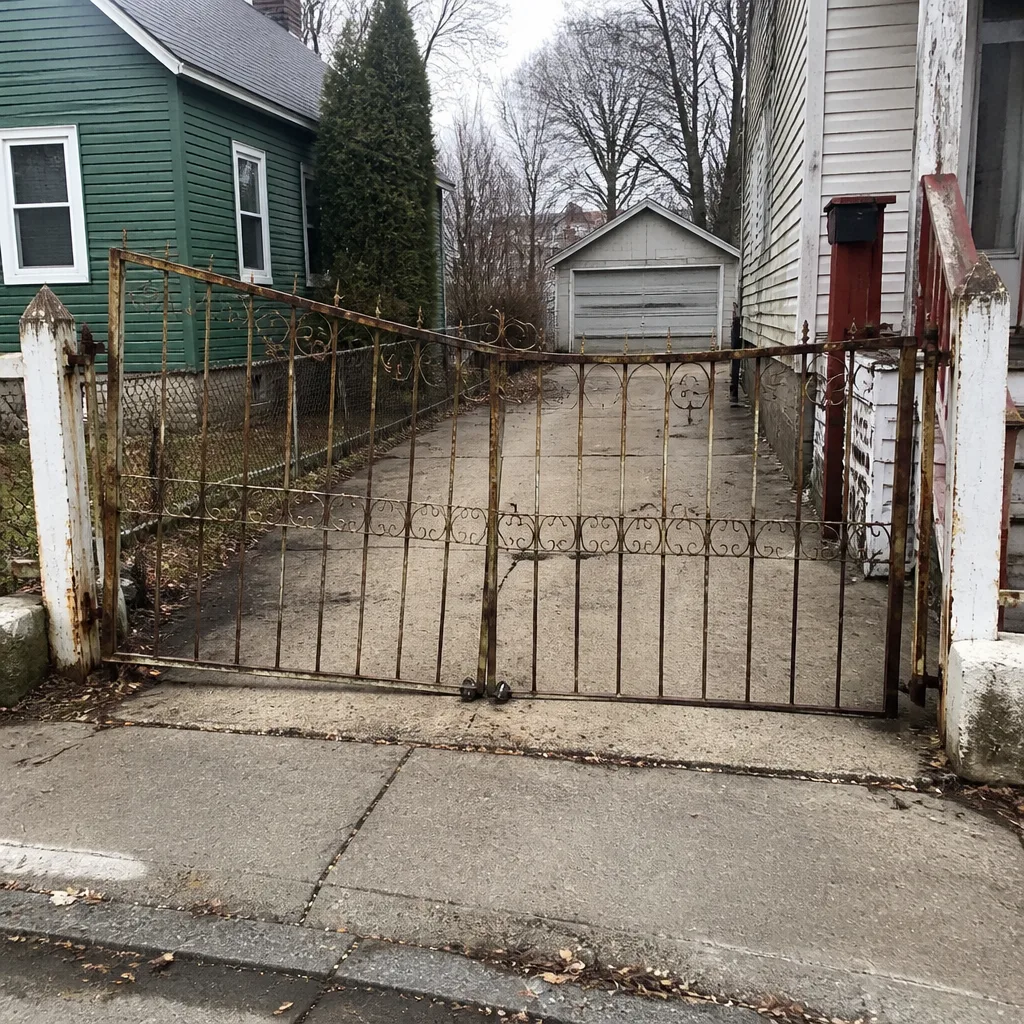
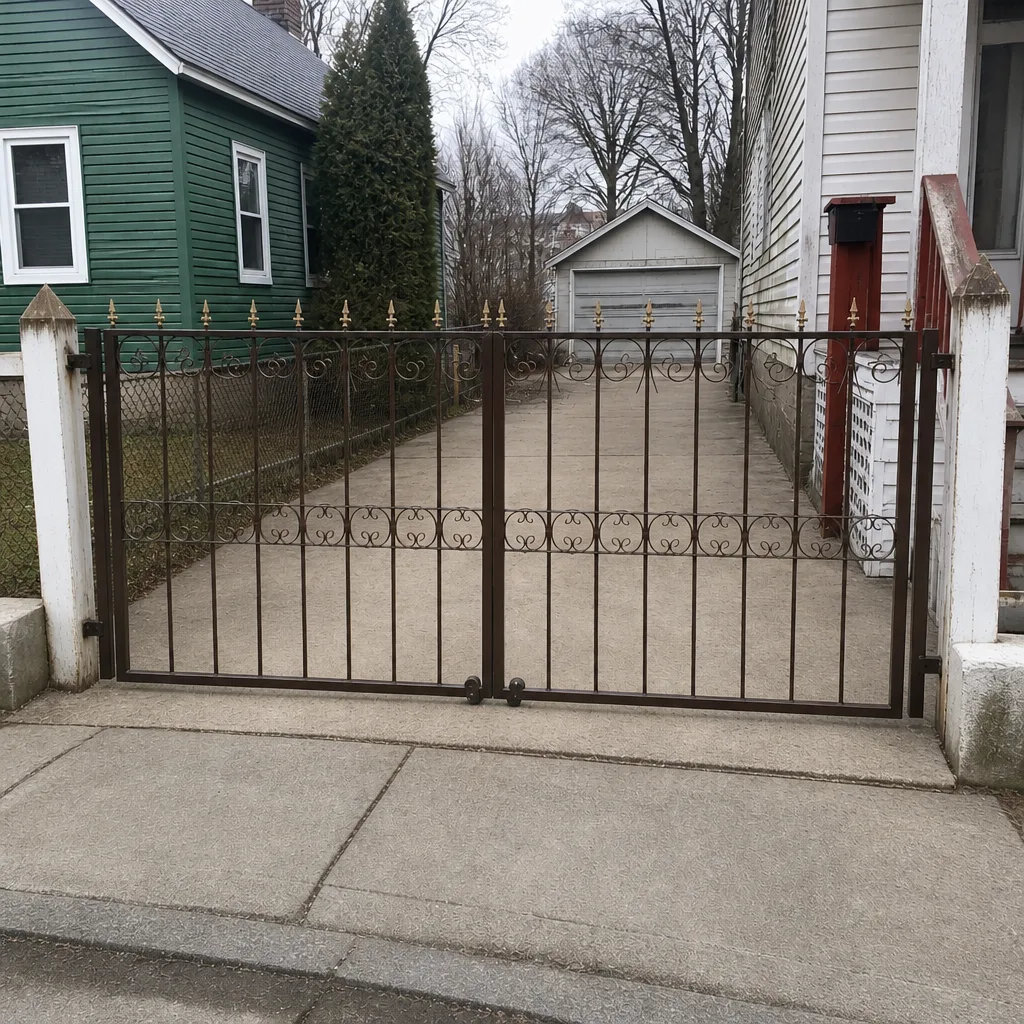
See the difference
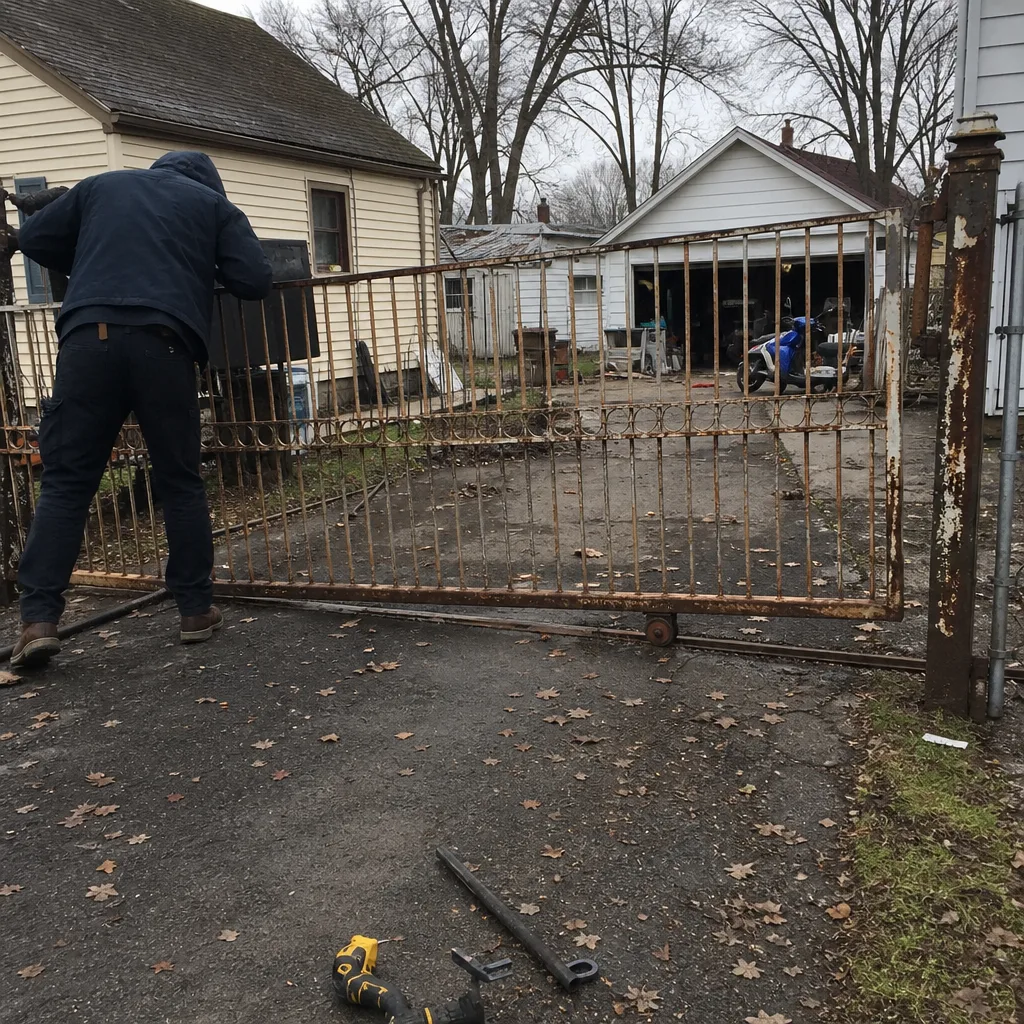 Before
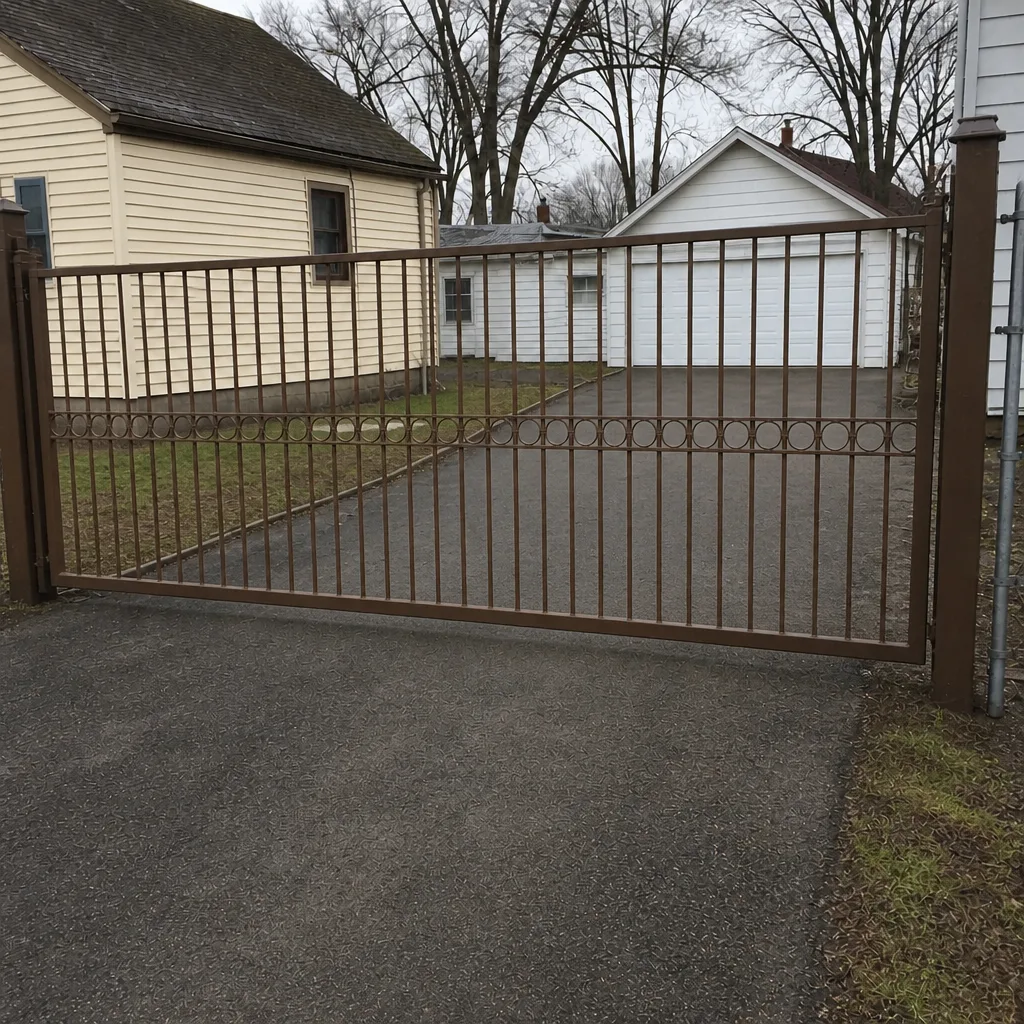 After
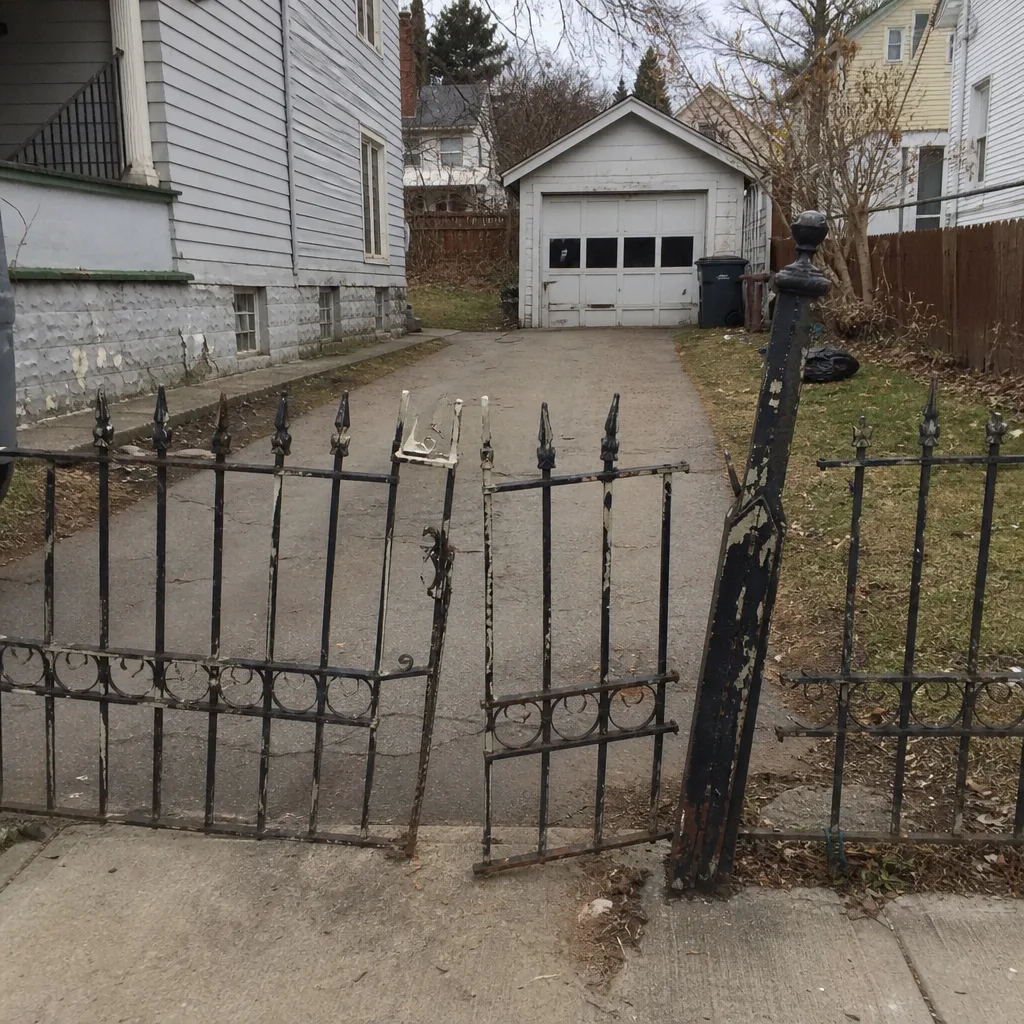 Before
 After
 Before
 After
When to Call a Professional
Some gate issues you can troubleshoot on your own – a remote with a dead battery, a gate that’s frozen at the hinge, a track with visible debris. What you shouldn’t take on yourself is anything to do with the operator’s control board, the safety sensors or safety edges, the electrical feed, or a gate that’s collapsing or dropping. Those jobs sit behind real injury risk: an automated gate that closes without entrapment protection can crush; heavy swing panels that come loose from hinges can topple; sliding gates that come off their track can swing out of control. The right way to approach those problems is with a trained technician who specializes in gate systems, not with a YouTube tutorial and a toolkit. Syracuse Gate Repair provides free estimates in Syracuse – call (844) 761-3861. We answer 24/7. Fast dispatch from 7am to 7pm, Sunday through Friday.
Frequently Asked Questions
In most cases, no. Repair work on an existing gate – fixing a motor, replacing a control board, or repairing hinges – does not typically require a permit, provided the gate stays in its existing location and size. The one exception: if the repair changes the gate’s dimensions, configuration, or introduces new electrical work, ask the city building department whether a permit applies before proceeding. If you’re not sure, call (844) 761-3861 for a free estimate and we’ll talk you through the scope.
Often yes. A new automated gate installation – whether it’s replacing a manual gate with an automated one or installing a gate where a gate hasn’t existed before – generally requires a permit, and the power run often needs its own electrical permit. Because the rules depend on the specifics of your property, your best step is to contact the City of Syracuse building department with the proposed dimensions and location. For a free measure and written estimate on the gate side, call (844) 761-3861.
UL 325 is the safety standard governing automated gate operators and entrapment protection in the United States, and it applies to essentially every automated gate in service. It requires that an automated gate have some form of either inherent or external entrapment protection – typically safety edges on swing gates and photoelectric sensors on sliding gates. If your gate’s safety devices have been bypassed or removed, that’s a safety issue and needs correcting. Call us for an assessment.
Replacement in kind means the new gate matches the existing one in size, material, and location, so the site looks functionally the same after the replacement as before. If your replacement meets that test, it typically stays in the repair/exemption category. If it’s a different size, material, or position, confirm with your city’s building department. For a free on-site estimate and a written scope, call (844) 761-3861.
HOA approval is separate from city permits, and many Syracuse-area HOAs require it even when the city doesn’t. Common HOA requirements cover gate design, material, finish, height, and sometimes noise or automation. Check your community’s governing documents and get written approval before installing or replacing a gate. If you’re sorting the technical side at the same time, our team can help scope the installation – call (844) 761-3861.
Yes, and it’s often the fastest way to resolve a compliance question. We assess an existing automated gate for entrapment protection, sensor function, safety edge presence, and operator configuration, and tell you whether anything needs correcting – no separate inspector required for the initial assessment. Call (844) 761-3861 for a free estimate and we’ll get an appointment scheduled.
The Bottom Line
Permits and codes don’t apply to most gate repairs in Syracuse – they apply to the edge cases where work becomes new construction, or where an automated operator comes into play. If your gate is being repaired, replaced with the same basic structure, and operated manually or with the same existing operator configuration, you’re likely outside the permit line. If you’re adding automation, changing the gate’s dimensions or position, or running new power to it, expect to work through the city and any HOA overlays that apply. And on every automated gate, entrapment protection under UL 325 has to be present and functioning – that’s not a permit question, it’s a safety one. For a clear read on your specific situation, call Syracuse Gate Repair at (844) 761-3861. We answer 24/7. Fast dispatch from 7am to 7pm, Sunday through Friday.
Related Reading
If you’re still sorting out whether your gate needs repair, replacement, or compliance work, the team at Syracuse Gate Repair in Syracuse can help you figure out what comes next. We provide free estimates on all gate repair, electric gate repair, and installation work. Call (844) 761-3861. We answer 24/7. Fast dispatch from 7am to 7pm, Sunday through Friday.
Written by the team at Syracuse Gate Repair.