
Last updated November 15, 2026
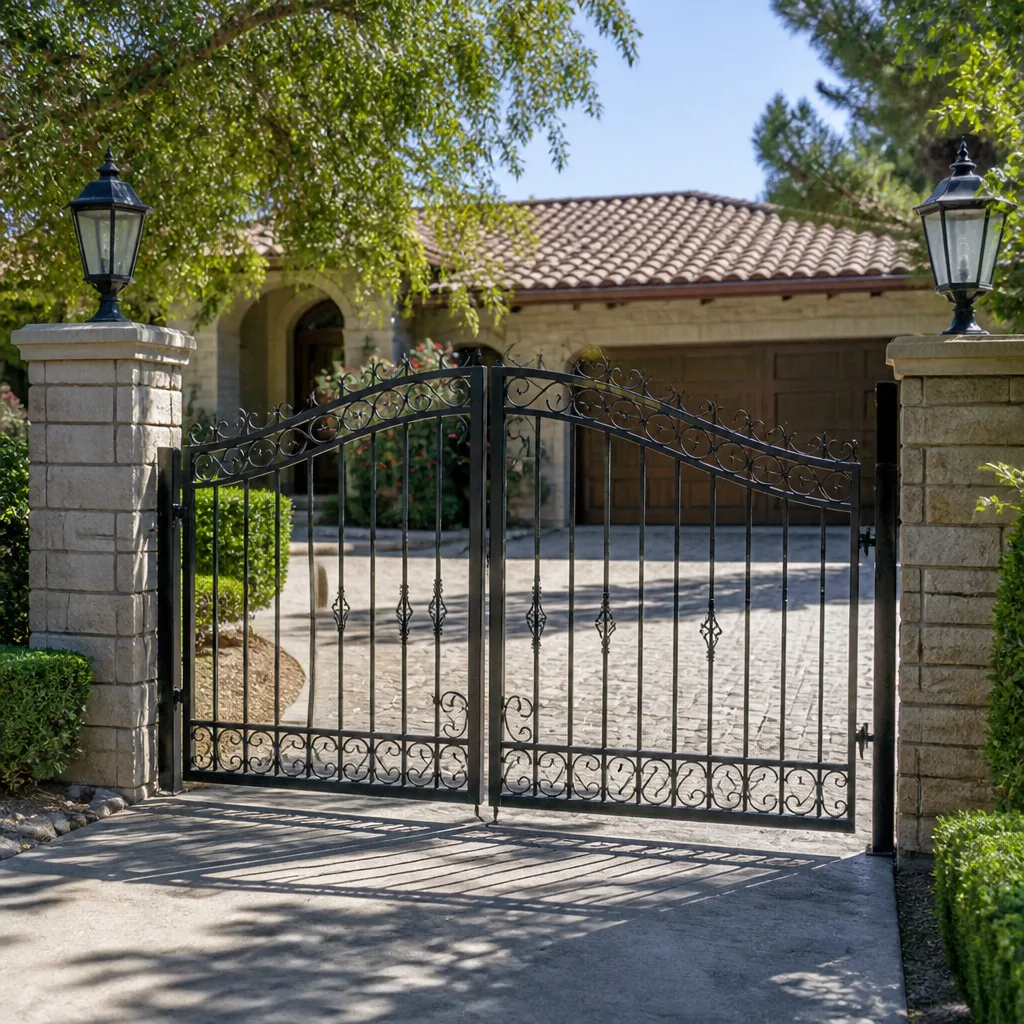 Wrought iron
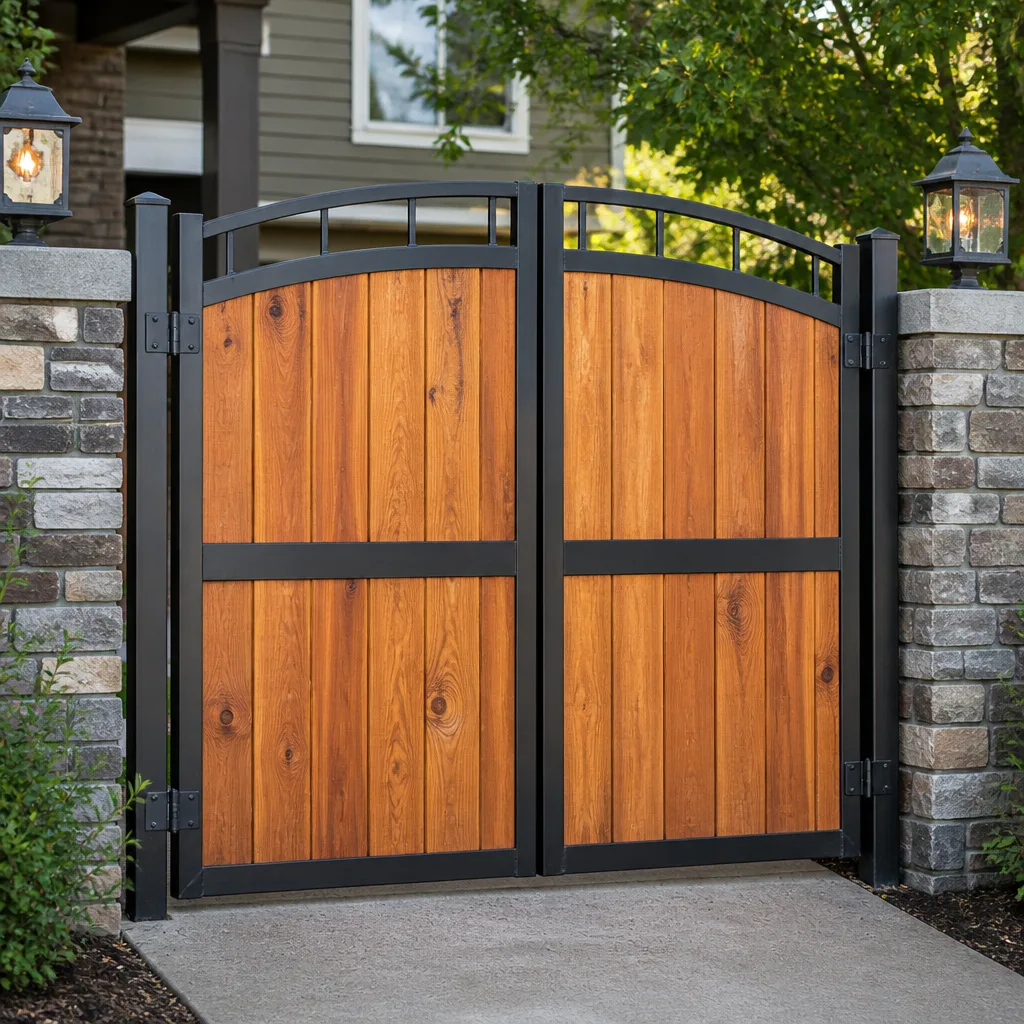 Wood & steel frame
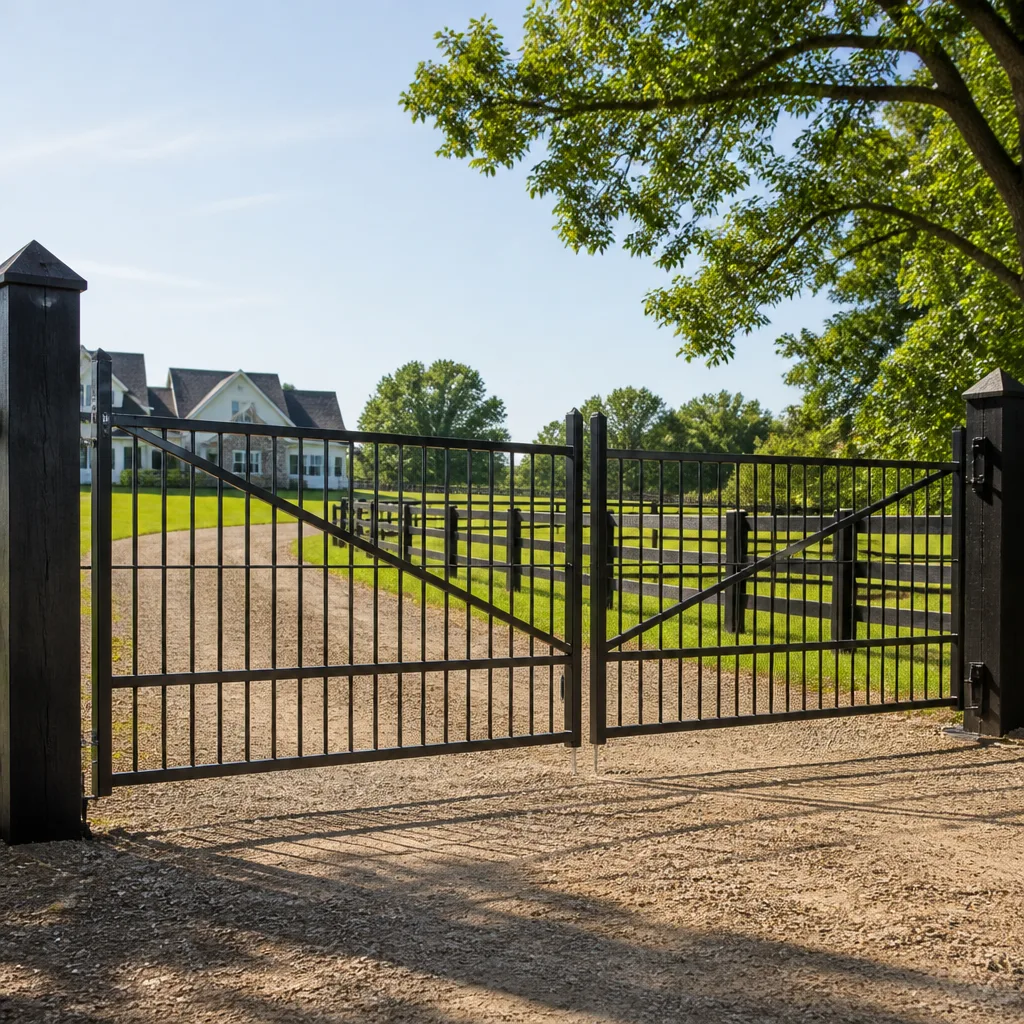 Farm & ranch
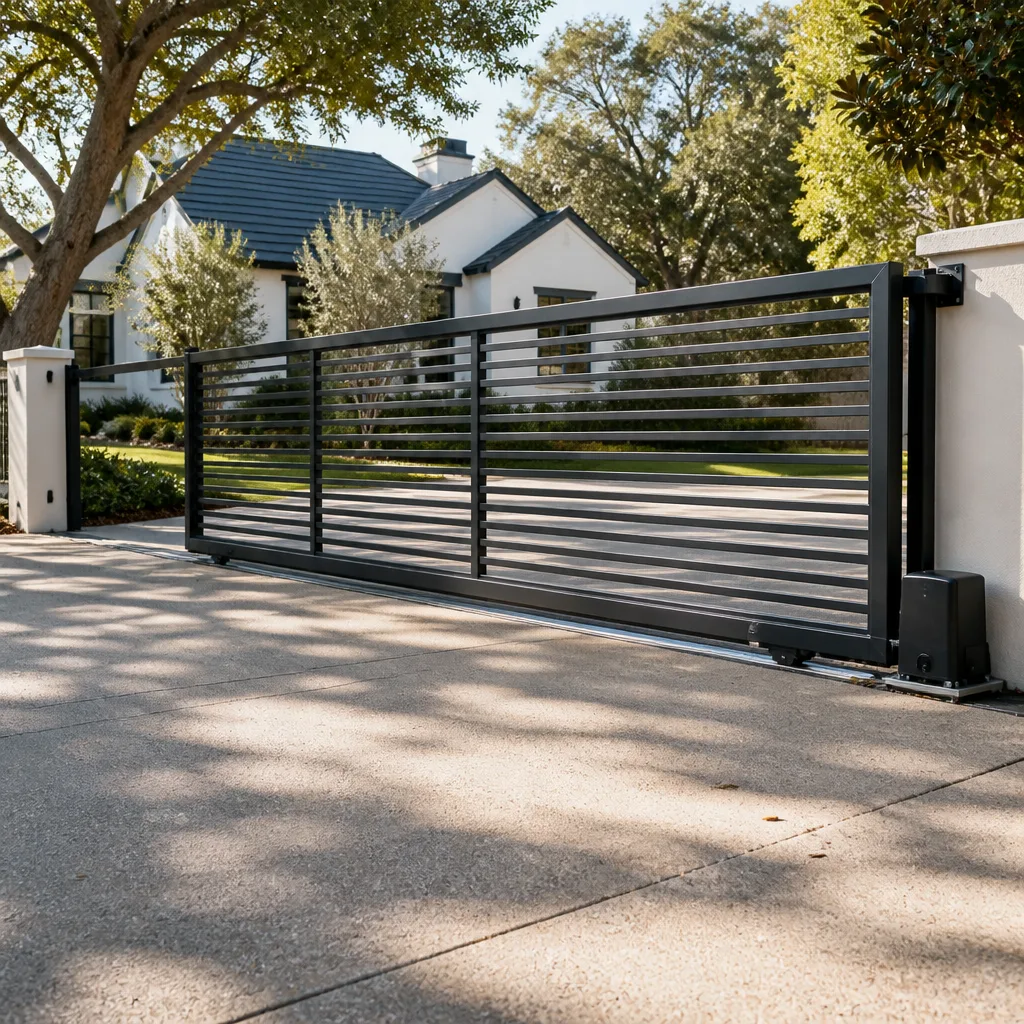 Sliding driveway gates
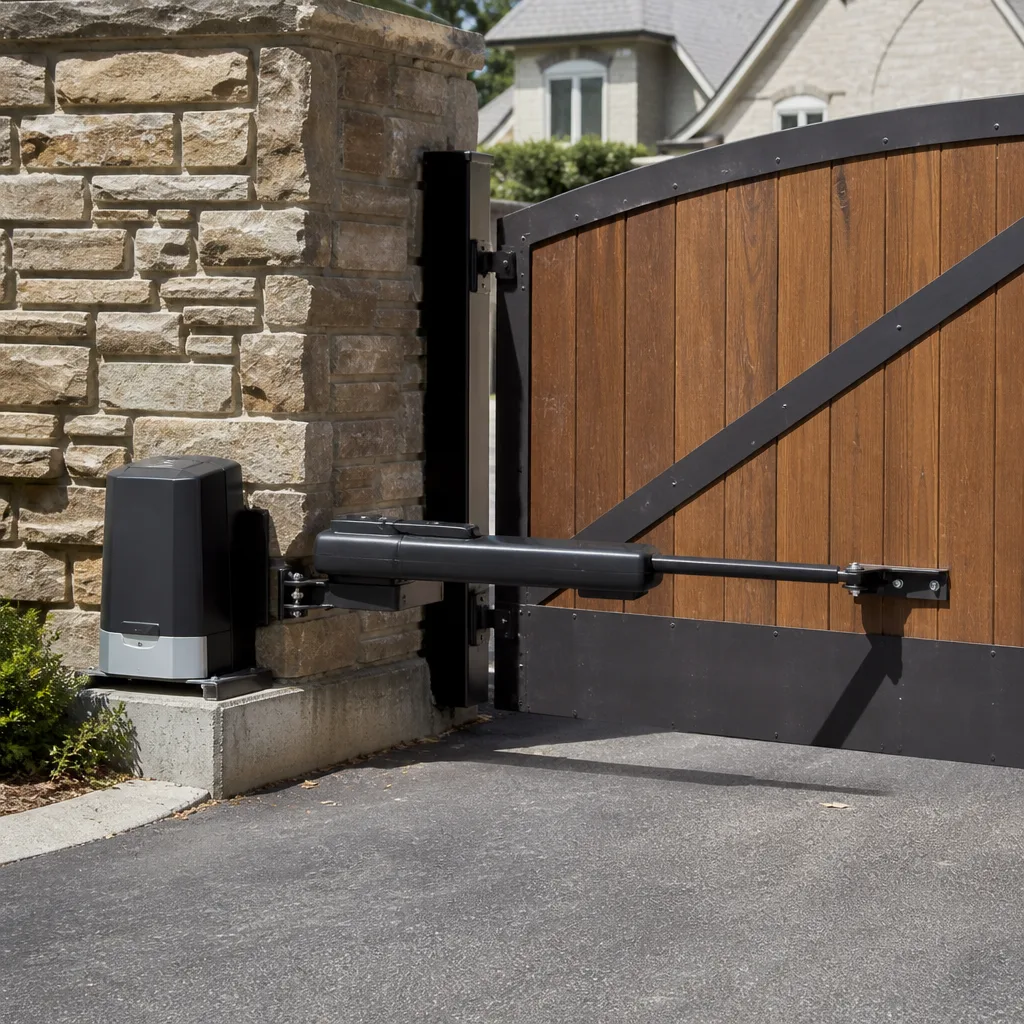 LiftMaster operators
Free on-site gate assessment - hinges, posts, and your LiftMaster or Nice gate operator checked before anything is quoted
The assessment is free and the quote is the invoice.
Get your free estimateHow to Hire a Gate Repair Contractor in Syracuse: A Step-by-Step Guide
The contractor who built your fence and the contractor who should fix your gate operator are rarely the same person, but most homeowners call the same number for both jobs and end up paying twice. A fence crew builds straight lines and sets posts; diagnosing a control board that’s dropping a limit switch mid-travel is a separate skill set entirely. The gap between those two worlds is where money disappears. In this guide we’ll walk through the exact questions to ask before you book anyone, how to read a gate repair quote line by line, what a real diagnostic visit looks like, and which red flags show up in the Syracuse market specifically. By the end you’ll know how to tell a gate specialist from a generalist who’s learning on your driveway.
Quick Answer
Hire a gate repair contractor in Syracuse by confirming three things before you book: that they work on your specific brand and system type, that they diagnose the failure before quoting a repair, and that their written estimate lists parts, labor, and a labor warranty as separate line items. A specialist who works only on gates will identify the actual failure point on an electric operator, while a handyman or fence contractor will often replace parts that were never broken. Never accept a phone quote for a gate you haven’t had inspected.
Styles & brands we work with
- Wrought iron
- Wood & steel frame
- Farm & ranch
- Sliding driveway gates
- LiftMaster operators
Table of Contents
- Why Gate Repair Is a Specialist Trade, Not a General Contractor Job
- The Three Credential Questions to Ask Before You Book
- What a Proper Diagnostic Visit Looks Like
- How to Evaluate a Gate Repair Quote Line by Line
- Why Brand Familiarity Changes the Diagnosis
- Red Flags Specific to the Syracuse Market
- Repair or Replace? How to Decide Without Being Pushed
- Ten Questions to Ask on the Phone
Why Gate Repair Is a Specialist Trade, Not a General Contractor Job
General contractor licensing tells you a person can manage a building project. It tells you nothing about whether they can read a FAAC control board schematic or trace a sensor loop fault on a sliding gate. Those are different competencies, and treating one as proof of the other is where homeowners get burned. Gate work sits at the intersection of mechanical systems, low-voltage control wiring, and high-torque motors, and each of those has its own failure patterns.
Consider what’s actually inside an automatic gate system. You have the operator motor, a control board, safety sensors, limit switches, a power supply, and often an access control component like a keypad or a receiver. A gate that opens halfway and stops could be a limit switch, a failing capacitor, a binding hinge, a bad sensor alignment, or a control board fault. A generalist sees “gate doesn’t open” and starts swapping parts. A specialist sees the same symptom and knows which two of those five causes are most likely on that specific operator model.
That difference shows up in your invoice. Parts-swapping is expensive because you pay for the part plus the labor to install it, and if it wasn’t the problem, you pay again for the next guess. In our experience, the most common avoidable expense on a residential gate in Syracuse isn’t a failed motor. It’s a motor that got replaced when the real fault was in a $40 sensor or a loose connection at the control board.
There’s also a safety layer. A swing gate panel can weigh several hundred pounds, and a slide gate that jumps its track can crush. Operator wiring carries line voltage. A contractor who doesn’t work on gates routinely may not think about the safety edge and photo-eye behavior after a repair, which means the gate goes back into service without the reversing function it needs. Gate repair in Syracuse is a focused trade, and hiring inside that trade is the single biggest decision on this page. You can read more about what our gate repair work actually covers if you want the scope laid out.
The Three Credential Questions to Ask Before You Book
Before you put a technician on the schedule, ask three questions. The answers separate a gate specialist from someone who’ll figure it out on your time. None of these require a credential number read out over the phone, and you shouldn’t accept one as a substitute for a straight answer.
1. Which gate brands and system types do you work on regularly?
You want a named list, not “all of them.” Ask specifically whether they work on your brand and whether they handle both swing and slide operators, and both manual and electric systems. If you have a LiftMaster operator and the person on the phone hesitates, that’s your answer. A specialist will tell you which brands they know well and where their experience sits. Our own team works on a defined set that includes LiftMaster, FAAC, Elite, and Mighty Mule, and we’ll tell you upfront if your system falls outside what we handle.
2. What’s your liability coverage for automated gate work?
Automated gates are moving machinery. Ask whether the contractor carries general liability coverage and whether that coverage extends to work on powered gate operators. You don’t need a policy number recited, but you do need a clear yes and a willingness to put the coverage in writing on the estimate or provide a certificate on request. A contractor who can’t answer this cleanly is a contractor who hasn’t thought about what happens if your gate closes on a vehicle, a pet, or a person after they’ve worked on it.
3. What are your warranty terms on labor, not just parts?
Most manufacturers warranty the part. Almost nobody warranties the labor unless they choose to, and labor is where the money is on a diagnostic repair. Ask directly: if the same gate fails the same way in 30 days, what happens? A specialist with confidence in the diagnosis will stand behind the work. A generalist will point at the part manufacturer and hand you a phone number. Get the labor warranty in writing before the work starts, not after.
These three questions take about four minutes on the phone and will eliminate most of the contractors you’d regret hiring.
What a Proper Diagnostic Visit Looks Like
A real diagnostic visit has a shape to it, and once you’ve seen one you’ll recognize when it’s missing. The technician should arrive, ask what the gate is doing and when it started, and then work through the system in a sequence rather than jumping straight to a part.
- Walk the gate by hand. With the operator disengaged, the gate should move freely. If it binds, the problem may be mechanical (hinges, rollers, track, or a sagging post) rather than electrical. This step takes two minutes and rules out half the possibilities.
- Observe the failure live. The technician should run the gate through a full open and close cycle and watch what happens, not take your description as the whole story. Intermittent faults often show themselves in the first cycle.
- Check the safety devices. Photo-eyes, safety edges, and loop detectors should be tested for both alignment and response. A gate that reverses for no apparent reason is usually reporting a sensor it thinks it sees.
- Test the control board and power. This is where multimeter work happens: incoming voltage, motor leads, limit switch continuity, and board outputs. A technician who doesn’t open the control box isn’t diagnosing, they’re guessing.
- Explain the failure before quoting. You should hear a plain-language explanation of what failed and why, then a quote for that specific repair. If the quote arrives before the explanation, that’s a red flag covered further down.
Expect this to take real time. A thorough diagnostic on an electric gate is not a five-minute look-and-quote. If a contractor quotes you a repair without running the gate, opening the control box, or testing the sensors, they’re selling you a guess with a price tag on it. Electric gate repair is its own discipline, and the diagnosis is the discipline. You can see how we approach electric gate repair if you want the detail on motor, board, and sensor work.
How to Evaluate a Gate Repair Quote Line by Line
A gate repair quote is either specific or it isn’t, and the difference is visible in about thirty seconds. A usable estimate separates parts from labor, names what’s being replaced, and states the warranty. Here’s what should always appear, and what should make you pause.
Line items that should always appear
- The diagnosed failure, in words. Not “gate repair” but “replace left photo-eye, realign and retest.” If the quote can’t name the failure, the diagnosis didn’t happen.
- Part description and brand. The actual part, not “hardware.” You should know whether it’s an OEM part or an aftermarket equivalent.
- Labor as a separate line. Bundled “installed” pricing hides the labor cost, which makes it impossible to compare quotes or judge a warranty.
- Labor warranty terms. A number of days or a clear statement of what’s covered if the same failure returns.
- What’s explicitly not included. Good estimates tell you what they’re leaving out, like a post repair or a new keypad, so there are no surprises when the invoice lands.
Red-flag line items
- “Diagnostic and repair” as a single bundled charge. This hides the fact that the diagnosis wasn’t priced separately, which usually means it wasn’t done separately either.
- “Full operator replacement” with no diagnostic notes. A motor is the most expensive part on the gate and the least often the actual failure. If the quote jumps straight to the operator without explaining why the board, sensors, and limits were ruled out, ask for that explanation in writing.
- Parts with no brand or part number. You can’t verify a warranty on an unnamed part.
- No labor warranty at all. Common with generalists, rare with specialists.
What a lowball bid usually tells you
A quote that lands well under the others isn’t a bargain, it’s a signal. It usually means aftermarket parts of unknown origin, no labor warranty, or a diagnosis that skipped steps to save the technician’s time. On an automated gate, cheap parts fail faster and can fail in a way that leaves the gate unsafe. The right question isn’t “who’s cheapest” but “whose quote names the failure and stands behind the repair.” Every price we give is written and agreed before any work starts, so the number on the estimate is the number on the invoice.
Why Brand Familiarity Changes the Diagnosis
Gate operators are not interchangeable, and the differences matter at the diagnostic stage. Each brand has its own control board layout, its own limit switch design, and its own set of failure patterns that show up repeatedly across installs. A technician who has seen a hundred FAAC boards fail knows which component goes first. A technician meeting that board for the first time is reading a manual on your driveway while the clock runs.
This is the practical value of brand familiarity, and it’s worth asking about directly. It doesn’t mean the technician has memorized every model. It means they arrive with a mental map of how that system is built, which shortens the diagnostic and reduces the odds of a wrong-part replacement.
Ask the contractor which brands they see most often and whether they can describe a common failure on yours. A gate specialist working across LiftMaster, FAAC, Elite, and Mighty Mule systems will be able to tell you what typically fails on the model you own. If the answer is a general description that could apply to any gate, the familiarity isn’t there.
One more point on brands: a specialist should not steer you toward a specific brand because they profit from it. Ask whether they’ll repair what’s installed or only recommend replacement with a system they install. The right answer is that they’ll repair what’s there if repair makes sense, and talk through options only when it doesn’t.
Red Flags Specific to the Syracuse Market
Some hiring problems are universal. A few are shaped by how the Syracuse area works, and those are the ones worth watching for locally.
Out-of-area contractors with no local accountability
A contractor who drives in from well outside the region is harder to reach when something goes wrong three weeks after the repair. Ask where they’re coming from and how they handle a callback. Local accountability means someone who can return to your property without a scheduling negotiation. A contractor working across the Syracuse area will have a straightforward answer about how they handle a return visit.
Quotes given over the phone without an inspection
This is the most common one, and the most expensive. A phone quote for a gate repair is a guess wearing a price tag. The failure could be mechanical, electrical, or a sensor, and nobody can tell which from a description. Decline any quote given before inspection and treat it as a sign the contractor doesn’t plan to diagnose.
Pressure to replace instead of repair
Replacement is easier to sell than repair and more profitable. Watch for a contractor who quotes a full operator swap without having tested the board, sensors, and limits. Ask them to walk you through what was ruled out. A specialist is comfortable with that conversation because the diagnosis supports the recommendation.
No mention of safety devices after the repair
Any repair on an automated gate should end with the safety systems tested and confirmed working. If the quote or the conversation never touches photo-eyes and safety edges, the contractor isn’t thinking about what happens after the gate goes back into service. That’s a real gap in a residential or commercial setting where people and vehicles share the gate.
Seasonal urgency that skips the diagnostic
Central New York winters put real stress on gate hardware, and a gate that’s binding in cold weather is a common call. The red flag is a contractor who uses the season as a reason to skip diagnosis and sell a replacement. Cold-weather binding is often a mechanical fix. Snow and ice loads on a gate panel are worth watching, and repeated binding after a hard winter is a reason to inspect the hardware carefully, not a reason to replace the operator.
Repair or Replace? How to Decide Without Being Pushed
Replacement is the right call sometimes. It’s also the easiest thing to oversell, so it’s worth knowing where the line usually falls. Repair tends to win when the failure is isolated: one sensor, one limit switch, one board component, a binding hinge, a track that needs adjustment. Those are the cases where a targeted fix restores the gate for a fraction of a new system.
Replacement tends to make sense when the failure is structural or repeated. A motor with a burned winding, an operator that’s reached the end of its service life, a control board that’s failed twice in a season, or a system that no longer has parts available. Those are real reasons, and a specialist will explain which one applies to you.
Ask three questions when replacement comes up:
- What exactly failed, and did you test it? The answer should name a component and describe the test.
- Is a repair part available for this operator? If it is, repair is on the table. If it isn’t, replacement has a factual basis.
- What would you do if this were your gate? A specialist will give you a straight answer, including “repair it” when that’s the right call.
You should never feel steered. If the recommendation is replacement, the diagnosis should make that conclusion obvious rather than something you have to take on faith. The same principle applies if you’re starting from scratch: a Syracuse Gate Repair installation conversation should begin with what you need the gate to do, not with a brand.
Ten Questions to Ask on the Phone
Use this as a script. The answers will tell you quickly whether you’re talking to a gate specialist.
- Do you work on my brand and system type? Name your operator brand and whether it’s swing or slide, manual or electric.
- Do you diagnose before quoting? The answer should be yes, with an on-site visit.
- Do you handle the control board and sensor work, or only mechanical repairs? Board-level work is where generalists fall short.
- What’s your labor warranty? Get the terms, not just “we stand behind our work.”
- Can you work with my insurer if the gate damage is part of a claim? We can work with your insurer, and it’s worth knowing whether the contractor you’re calling will.
- Will the written estimate list parts and labor separately? It should.
- Is the price agreed before work starts? It must be.
- Do you service commercial gates as well as residential? Relevant if you manage a property.
- Do you install new systems, or only repair? A specialist who does both means you won’t need a second company later.
- How do you handle a callback if the same failure returns? The answer tells you a lot about accountability.
Ten minutes on the phone with two or three contractors will make the choice obvious.
Common Mistakes to Avoid
- Calling the fence contractor who built the fence. Fence work and gate operator diagnosis are different skills, and a fence crew that dabbles in gates will often guess at the electrical side. Use the same number for the fence and a different one for the operator.
- Accepting a phone quote. Nobody can diagnose a gate without seeing it run. A phone quote is a placeholder, and it’s usually wrong in the expensive direction.
- Skipping the labor warranty question. Parts warranties are standard and nearly meaningless on their own. The labor warranty is the one that protects you when a diagnosis was wrong.
- Choosing the lowest bid without reading the line items. A quote that’s hundreds of dollars under the others is usually cutting part quality or skipping the diagnosis. On an automated gate, that shows up as a repeat failure.
- Letting a contractor replace the operator without proof it failed. Motors are the most expensive part and the least often the culprit. Ask what was tested and ruled out before a motor swap gets approved.
- Forgetting the safety devices. After any repair, the photo-eyes and safety edges should be tested in front of you. A gate that runs but doesn’t reverse safely isn’t fixed.
- Hiring an out-of-area company with no clear callback plan. In the Syracuse area, winter calls come fast, and a contractor who can’t return is a contractor you’ll pay twice.
See the difference
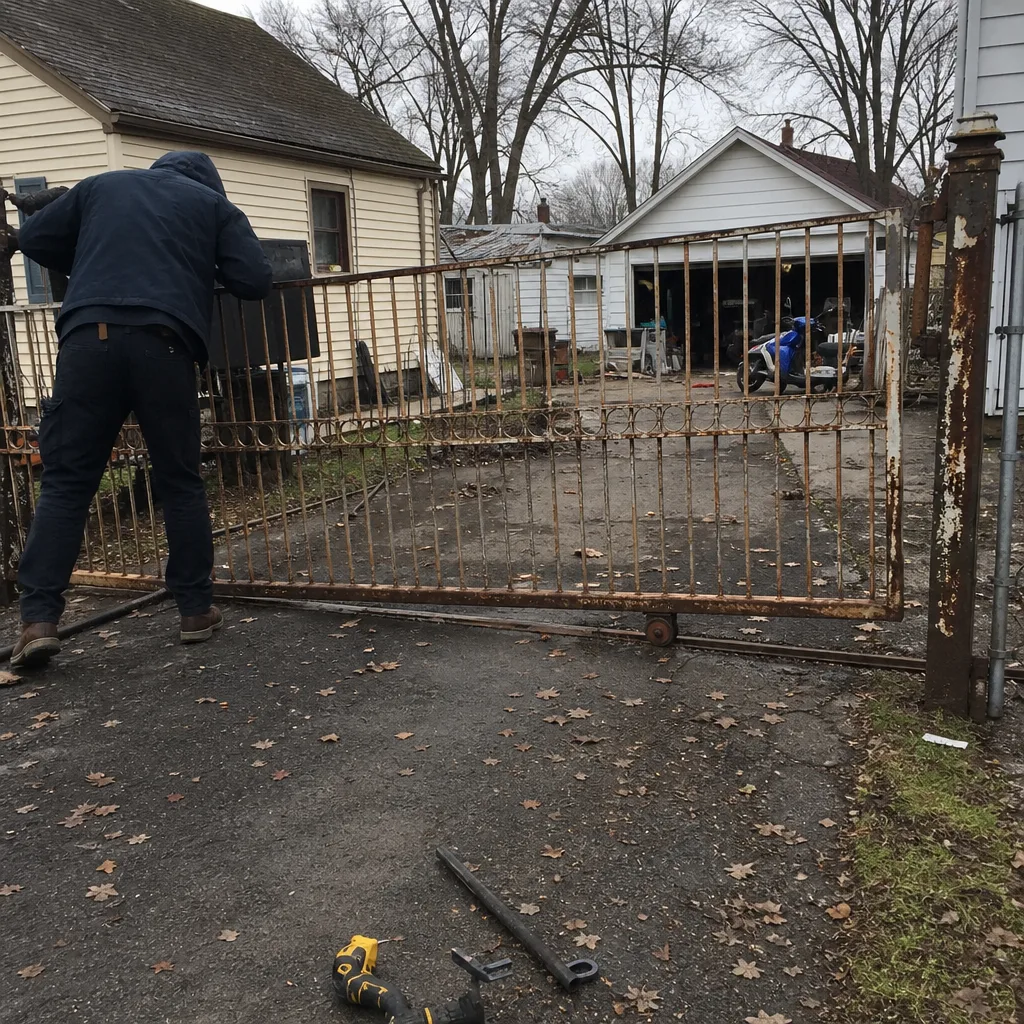 Before
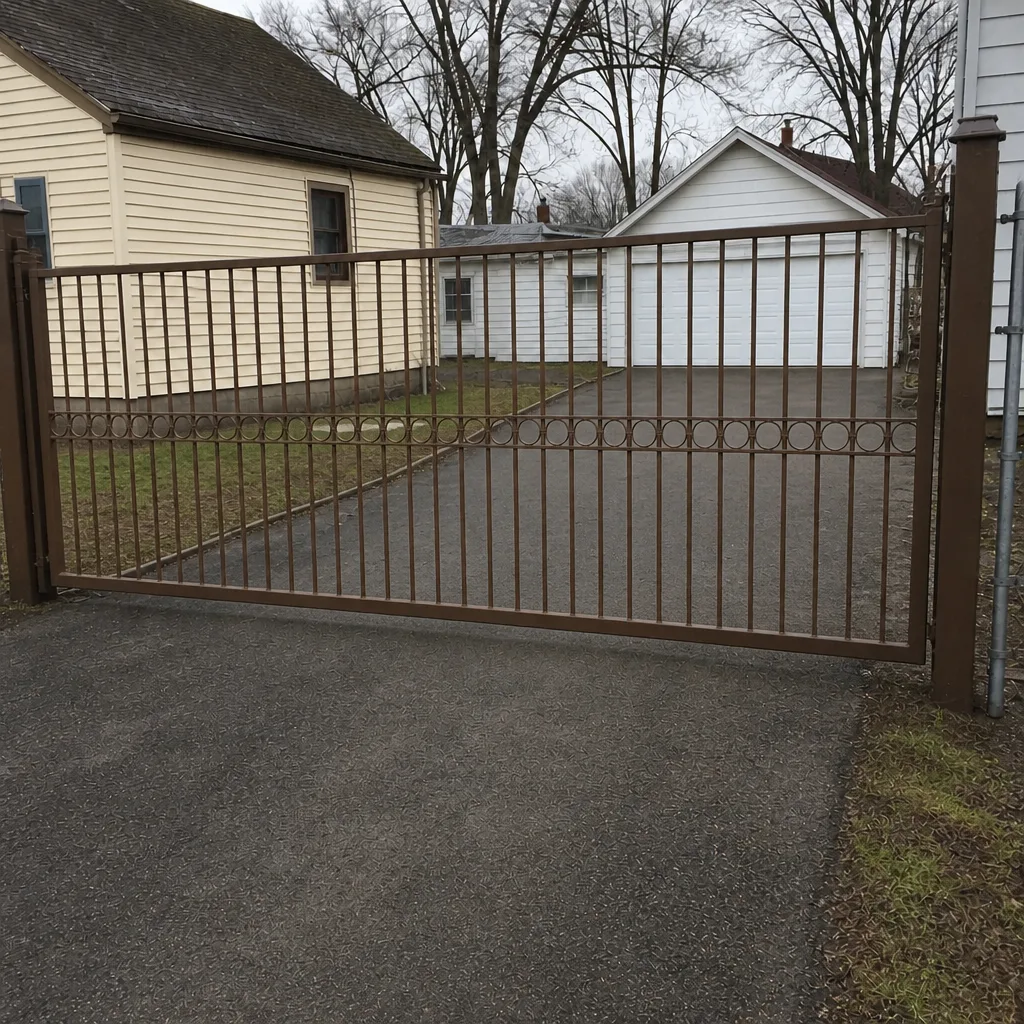 After
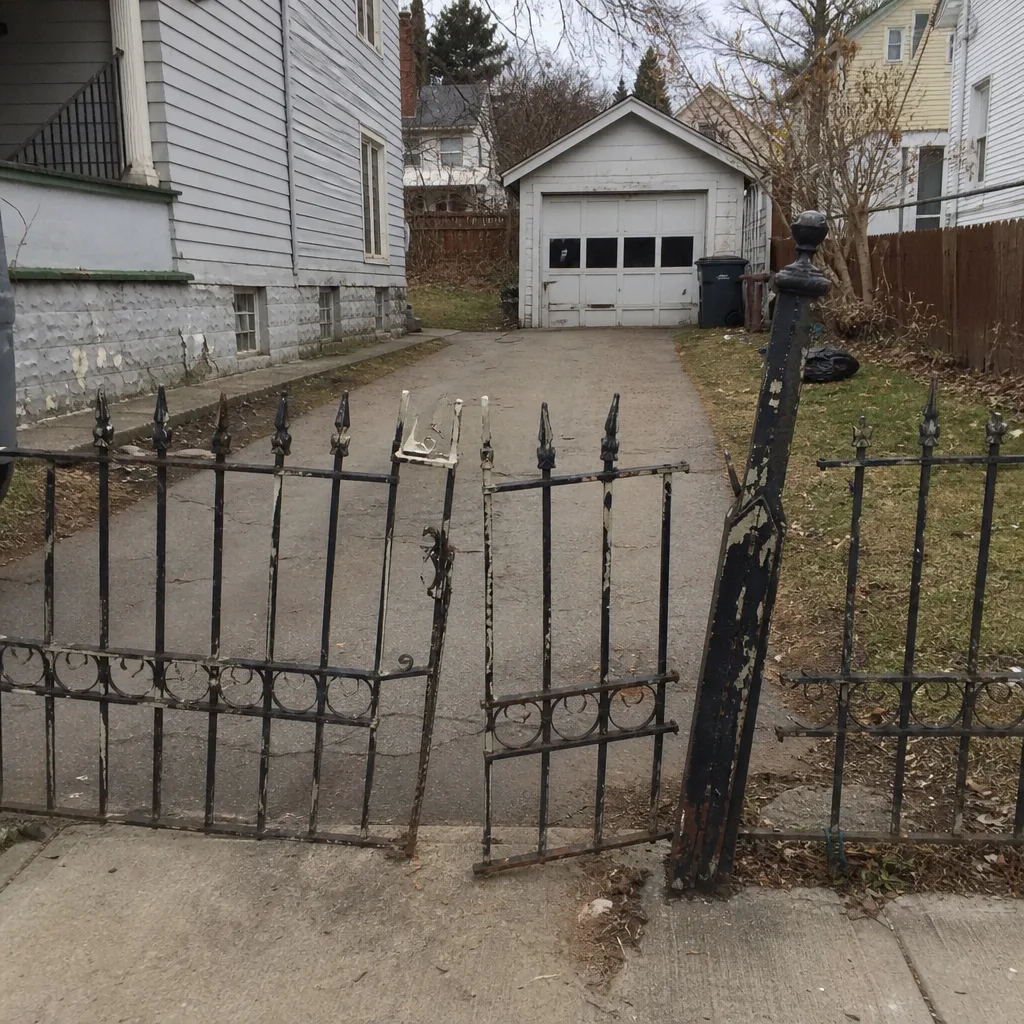 Before
 After
 Before
 After
When to Call a Professional
Some gate problems are worth a look before you call. A gate that moves stiffly by hand, a photo-eye lens that’s visibly dirty, or a keypad with dead batteries are things you can check yourself. Beyond that, call a professional. Any work inside the control box, anything involving the operator’s power wiring, and any symptom where the gate moves unpredictably all belong to a trained technician. A swing gate panel can weigh several hundred pounds, and a slide gate that’s jumped its track can come down. Don’t stand in the path of a gate that’s behaving oddly, and don’t try to diagnose live wiring yourself. Syracuse Gate Repair offers free estimates in Syracuse. Call (844) 761-3861. We answer 24/7. Fast dispatch from 7am to 7pm, Sunday through Friday, and we’re closed Saturday. Our technicians have up to 8 years of experience.
Frequently Asked Questions
A real gate specialist can name the brands they work on, describe a common failure on yours, and explain how they diagnose before quoting. Ask which systems they see most often and whether they handle control board and sensor work, not just mechanical repairs. If the answers stay general, you’re likely talking to a generalist.
No. A gate failure can be mechanical, electrical, or sensor-related, and nobody can tell which without seeing the gate run and testing the components. A phone quote is a guess. Insist on an on-site diagnostic and a written estimate before any work is approved. Call (844) 761-3861 for a free estimate and we’ll schedule the diagnostic.
A usable estimate names the diagnosed failure, describes the part with its brand, lists labor separately, and states the labor warranty. It should also say what’s not included. Bundled “diagnostic and repair” charges and unnamed parts are signs the quote wasn’t built from an actual diagnosis.
Repair is usually the right call when the failure is isolated to a sensor, limit switch, board component, or a mechanical binding issue. Replacement makes sense when the motor winding has failed, the operator has reached end of life, or parts are no longer available. Ask what was tested and ruled out before approving a replacement.
A handyman can sometimes handle a mechanical adjustment like a hinge or a track. Control board diagnosis, sensor troubleshooting, and operator wiring are a different level of work, and a generalist will often replace parts by guesswork. For anything electric, hire a gate specialist.
We answer 24/7. A call outside dispatch hours is booked into the next opening, Sunday through Friday, 7am to 7pm. We’re closed Saturday. If your gate fails and you need it looked at, call (844) 761-3861 and we’ll get you on the schedule.
The Bottom Line
Hiring a gate repair contractor in Syracuse comes down to three things: confirming the contractor works on your system, insisting on a diagnosis before a quote, and reading the estimate line by line. A specialist names the failure, separates parts from labor, and stands behind the work with a labor warranty. A generalist guesses, bundles, and disappears when the gate fails again. Use the ten questions above on your next call. If the answers are specific, you’ve found the right contractor. If they’re vague, keep calling. The difference between the two is the difference between one repair and three.
Syracuse Gate Repair works on gate repair, electric gate repair, and gate installation for homes and commercial properties across Syracuse. We work on LiftMaster, FAAC, Elite, Mighty Mule, and other major brands. Call (844) 761-3861 for a free estimate. We answer 24/7. Fast dispatch from 7am to 7pm, Sunday through Friday.
Written by the team at Syracuse Gate Repair.